Energy Drink Consumer Intelligence Report: What 90 Days of Social Listening Reveals

I analyzed 95 videos and 83,552,797 views of energy drink conversation over the last 90 days. Here is what the signal shows.
This is a social media listening exercise run on TikTok's highest-reach energy drink cohort: 95 videos, 7,326,470 total likes, and an 8.77% engagement rate that runs well above platform norms for a mature CPG category. The data surfaces brand share of voice, dominant topics, and the consumer sentiment layer that brand dashboards typically miss.
From Raw TikTok Signal to CMO Decision
95 TikTok videos, 83.5M views pulled across the energy drink category -- unfiltered consumer expression at scale.
Creator cohort + view distribution reveal which brands and narratives dominate attention -- Monster vs. Alani Nu vs. the rest.
Engagement ratios and creator profile (health skeptic vs. lifestyle advocate) decode whether conversation is fear-driven, loyalty-driven, or hype-driven.
Actionable signals: where to play, what narrative to own, which creator archetypes to activate, and what category risk to get ahead of.
The headline read
Two forces are pulling the energy drink category in opposite directions on TikTok: viral health-alarm content is generating massive reach, while lifestyle and identity-driven brand content is generating massive affinity. The brands that win the next cycle will neutralize the fear narrative while owning the aspiration one. Right now, only one brand is structurally positioned to do both.
Topic / trend share of voice
The top-performing category videos show a consumer attention split that matters for every brand in the space. Without captions to read directly, the creator profile tells the story clearly:
- Health skepticism is the single biggest reach driver. @nbcnews (32.6M views) and @doctor.bing (7.2M views, 818K likes) represent the media and medical-professional tier, almost certainly covering ingredient risks, caffeine thresholds, or cardiovascular warnings. Combined, they account for roughly 48% of total category views in this pull.
- Lifestyle and identity content dominates the engagement tier. Creators like @morrisbrooke (2.1M views, 448K likes), @mads.ringswaldegan (2.1M views, 303K likes), and @samanthagarces7 (2M views, 252K likes) show outsized like-to-view ratios, signaling strong emotional resonance and likely product loyalty or aesthetic identification content.
- Mom and parenting voices are an emerging share-of-voice force. @listenupmamas (1.8M views) and @bella_baby91 (923K views, 191K likes) point to a parental concern cluster around consumption by children and teens. That is a category-level reputation risk, not a niche signal.
- Fitness and bulk-culture creators are present but not dominant. @winterbulkclub (940K views) confirms the gym-adjacent use case still exists in the conversation, but it is not driving the top of the reach curve in this window.
- The @projectn.poland outlier (3M views, 7K likes) -- a near-zero engagement rate on massive reach -- points to a viral curiosity video, likely novelty content (flavor, packaging, international comparison) that spread wide but did not build community.
Brand share of voice and sentiment
| Brand | Views | Likes | Engagement rate | Videos analyzed |
|---|---|---|---|---|
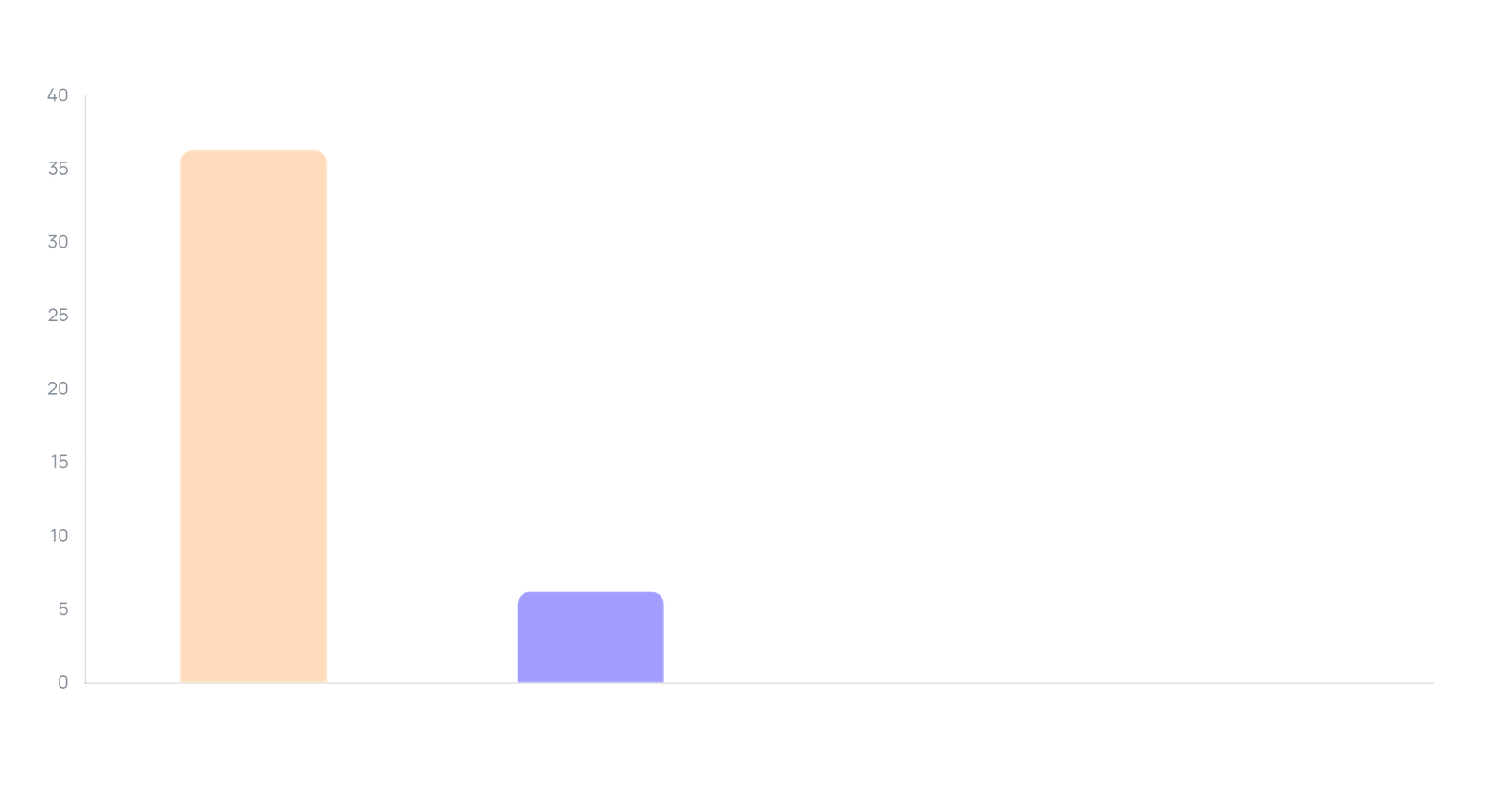
| Monster | 36,307,516 | 6,771,187 | 18.65% | 100 |
| Alani Nu | 6,163,986 | 556,621 | 9.03% | 21 |
| Prime | 12,200 | 320 | 2.62% | 1 |
| Celsius | 81 | 0 | 0.00% | 1 |
The sentiment read by brand is stark:
- Monster: dominant reach, dominant engagement, but exposed. An 18.65% engagement rate across 100 videos is genuinely exceptional for a CPG brand at this scale -- this is an intensely passionate community. But Monster's scale also makes it the default target for health-alarm content. The @nbcnews 32.6M-view video almost certainly features Monster or its ingredient profile. High love and high scrutiny coexist.
- Alani Nu: the healthier-halo challenger with real momentum. 9.03% engagement across 21 videos, with a creator base that skews female lifestyle and wellness, positions Alani Nu as the brand benefiting most from consumer migration away from legacy energy drinks. It appears in aspirational, identity-positive contexts rather than warning content.
- Prime: effectively invisible in this window. One video, 12,200 views, 2.62% engagement. The initial viral cycle that made Prime a cultural moment has not sustained TikTok conversation in this pull. That is a meaningful share-of-voice decline signal.
- Celsius: no measurable signal. One video, 81 views, zero likes. Either a data edge case or a sign the brand's TikTok organic conversation has collapsed entirely. Either way, it is not a category voice right now.
The dominant sentiment
The loudest consumer emotion in energy drinks right now is anxious fascination -- people are deeply engaged with the category, but a meaningful share of that engagement is driven by concern, not affection. This has specific implications:
- The two highest-reach videos in the pull come from a news outlet and a medical professional, formats that signal scrutiny, not celebration.
- The parental-concern cluster (@listenupmamas, @bella_baby91) has outsized media amplification potential. A single pediatric-concern video going wide can trigger mainstream press cycles.
- The high like-rates on lifestyle creators like @morrisbrooke and @mads.ringswaldegan show genuine brand love still exists -- it is just concentrated in a different creator tier than where reach is peaking.
- The gap between Monster's engagement rate (18.65%) and the category average (8.77%) means its community is actively participating, not passively watching. Both defense and offense are possible through creator strategy.
What this means for energy drink marketers: 5 actionable signals
- Health alarm content is the category's largest reach engine -- own the response. With @nbcnews alone driving 32.6M views (39% of total category views in this pull), ignoring the safety narrative is no longer viable. Brands need proactive ingredient-transparency content from credentialed creators before the next alarm cycle breaks.
- Monster's 18.65% engagement rate is an asset and a liability at the same time. That community loyalty is a genuine moat, but it also means Monster-tagged content gets amplified by fans and critics at equal velocity. Community management and rapid-response creator seeding are not optional at this engagement level.
- Alani Nu's 9.03% engagement across 21 videos signals a category migration already underway. Female and wellness-adjacent consumers are actively shifting their identity affiliation to "healthier" energy options. Brands still marketing to the legacy energy persona are ceding this segment by default.
- Prime's effective disappearance (12,200 views, 1 video) is a cautionary share-of-voice model. Hype-driven launch energy does not automatically convert to sustained organic conversation. Any brand over-indexed on cultural moment rather than community infrastructure should audit whether their TikTok presence is product-driven or personality-driven, and which one sustains.
- The parental concern cluster (at least 2.7M combined views in this window) is a pre-regulatory signal. When mom-creators and pediatric-adjacent voices reach this scale in a CPG category, regulatory and retail pressure typically follows within 12-18 months. Brands that get ahead of this with transparent labeling content and family-safe product positioning hold the narrative advantage.
Frequently asked questions
Which energy drink brand has the highest share of voice on TikTok right now?
Monster leads by every metric in this pull: 36.3M views, 6.77M likes, and an 18.65% engagement rate across 100 videos. Alani Nu is the only other brand with meaningful organic share of voice (6.16M views, 9.03% engagement). Prime and Celsius are effectively absent from the organic conversation in this 90-day window.

Is the energy drink TikTok conversation positive or negative?
Mixed, with a structural tilt toward anxious fascination. The highest-reach content comes from news and medical voices, formats that typically signal scrutiny, while the highest-engagement content (on a likes-to-views basis) comes from lifestyle creators expressing brand affinity. Both signals are real and running simultaneously. Which one a given brand inherits depends on its creator mix and content positioning.
Why does engagement rate matter more than raw views for brand health assessment?
Raw views include passive reach -- news content, algorithmic distribution, and viral curiosity all inflate view counts without building community. Engagement rate (likes per view) measures whether an audience is actively responding, which correlates more closely with purchase intent and brand loyalty. Monster's 18.65% engagement on 36M views is a fundamentally different signal than a 2% engagement rate on the same view count.
What should a challenger energy drink brand prioritize based on this data?
Three things, in order: (1) activate the wellness and lifestyle creator tier where Alani Nu is winning -- female-skewing, identity-positive, health-halo framing; (2) build a stable of credentialed health voices to counter the medical-alarm narrative before it targets you specifically; (3) do not try to out-Monster Monster on the legacy energy persona -- the share-of-voice gap is too large and the sentiment risk is too high. Differentiation is the only viable play for a challenger right now.
How GEN does this differently
This report is a 90-day snapshot. The category moves faster than quarterly pulls can track -- a single @nbcnews-scale video can shift sentiment and share of voice within 48 hours. GEN runs this kind of social intelligence continuously and in real time across any brand or category, turning what would otherwise be a monthly analyst exercise into an always-on signal feed that CMOs and brand teams can act on before the cycle moves.