TLDR
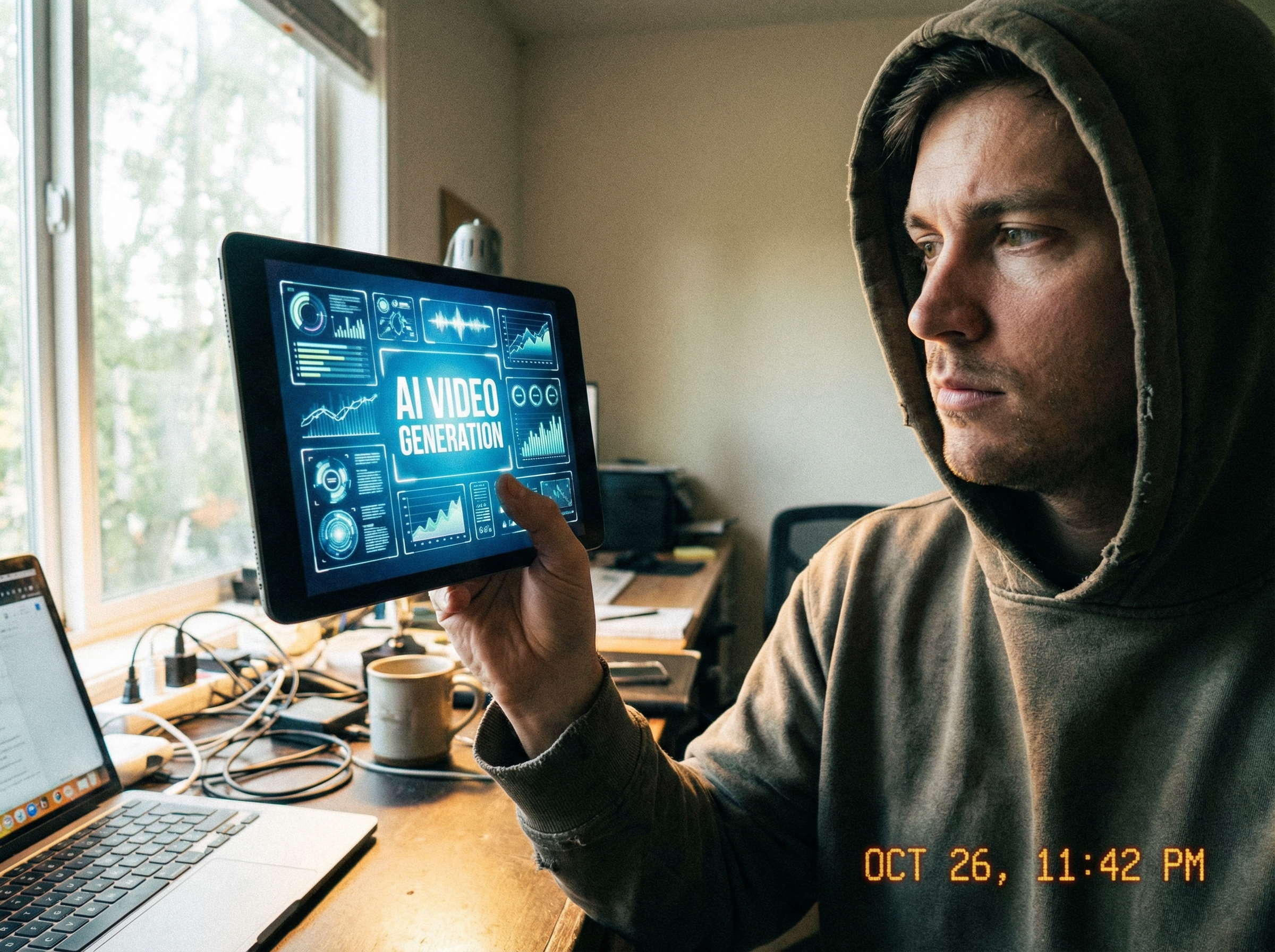
The Ultimate Guide to Automate YouTube Videos in 2026 reveals that automation has evolved into a sophisticated strategy using AI for predictive trend analysis, content creation, and community engagement, essential for dominating a landscape where video accounts for over 82% of internet traffic. Success requires understanding platform rules and leveraging next-generation platforms like GEN.pro to build authentic, scalable, and ownable influence.
Does YouTube Automation Still Work in 2025 and Beyond?
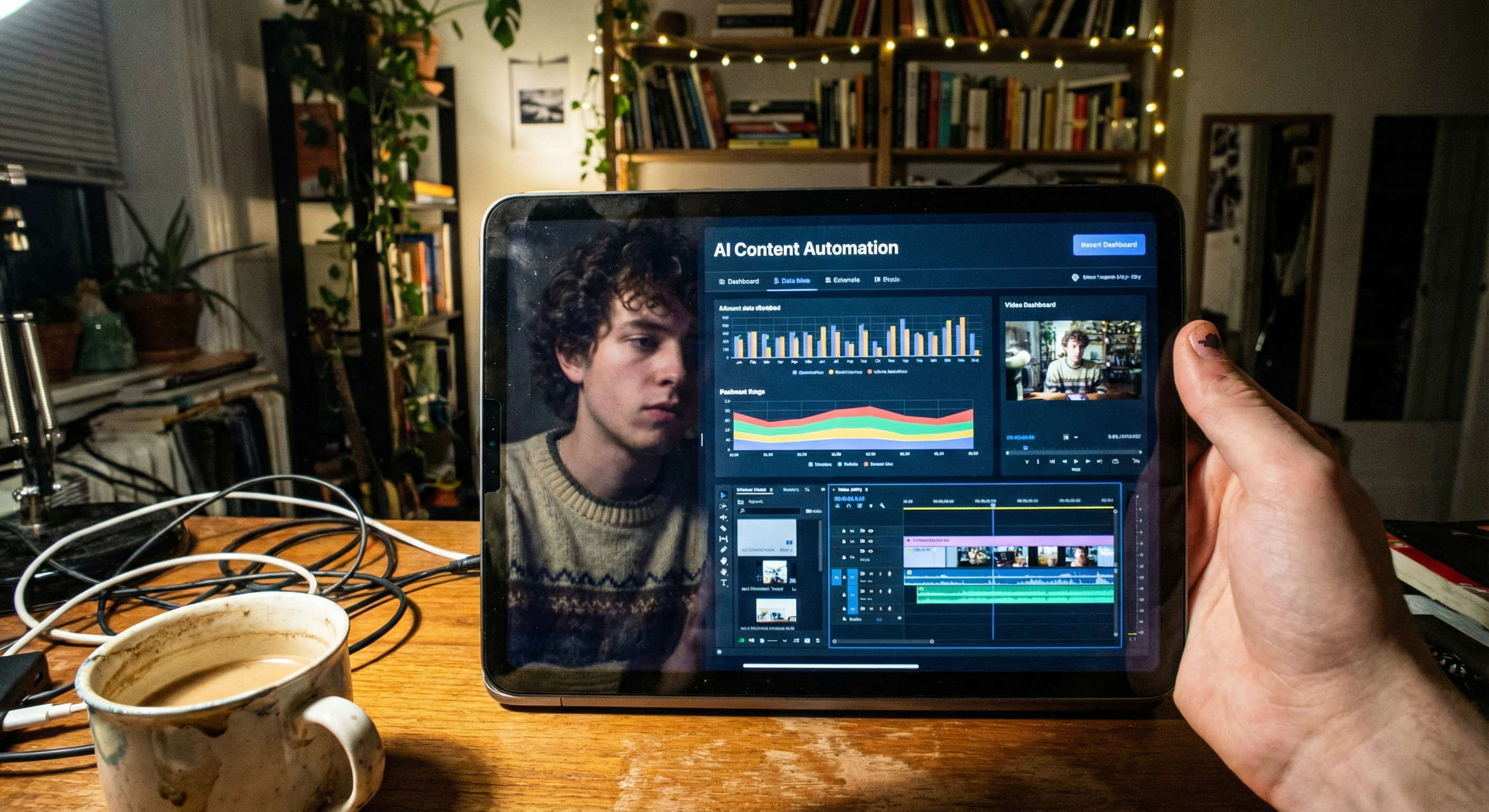
Yes, YouTube automation not only works but has evolved into a sophisticated, essential strategy for 2025 and 2026. It has shifted from low-effort repurposing to using AI for high-value tasks like predictive trend analysis, personalized content creation, and scalable audience engagement, which are critical as the virtual influencer market is projected to reach $8.3 billion [^4] [^1].
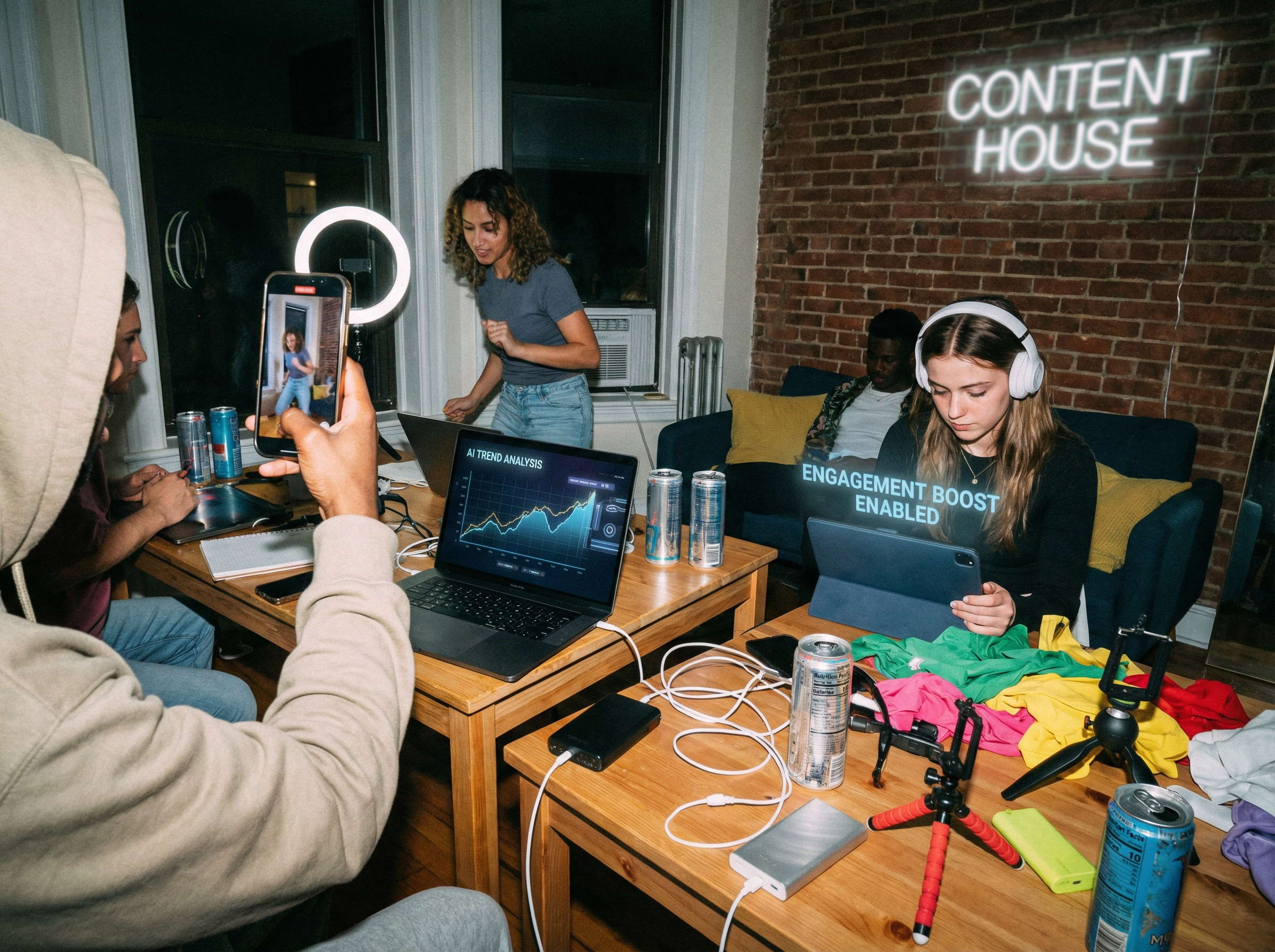
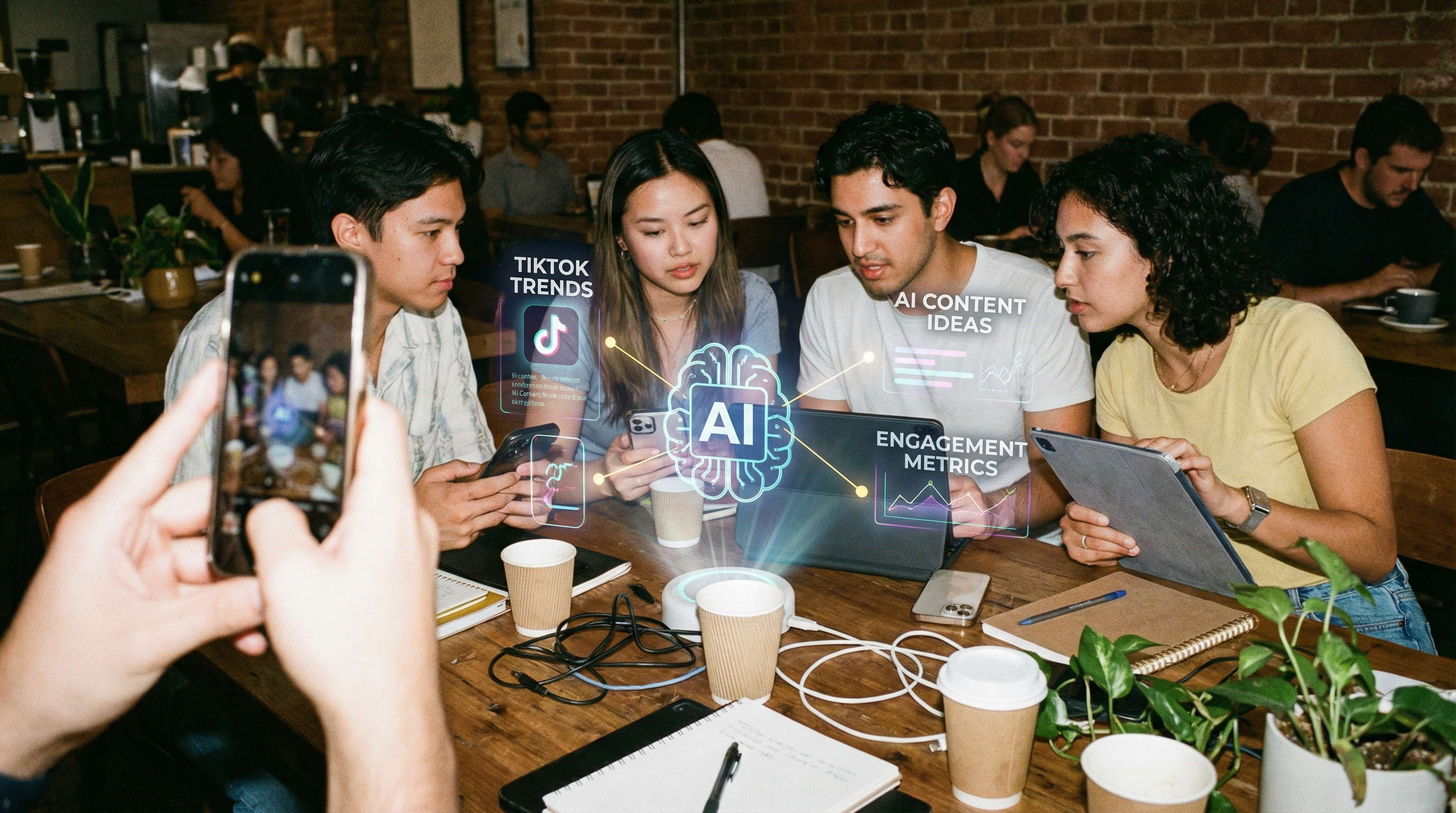
The chaos of juggling multiple tools and chasing expired trends is over. Modern automation, as exemplified by platforms like GEN.pro, solves this by integrating key functions into a single "hype engine." This evolution is marked by three key shifts:
From Repurposing to Creation: Early automation focused on clipping long videos. Now, AI tools like GEN.pro's "Personality Engine" can design original AI influencer personas that generate unique, on-brand content.
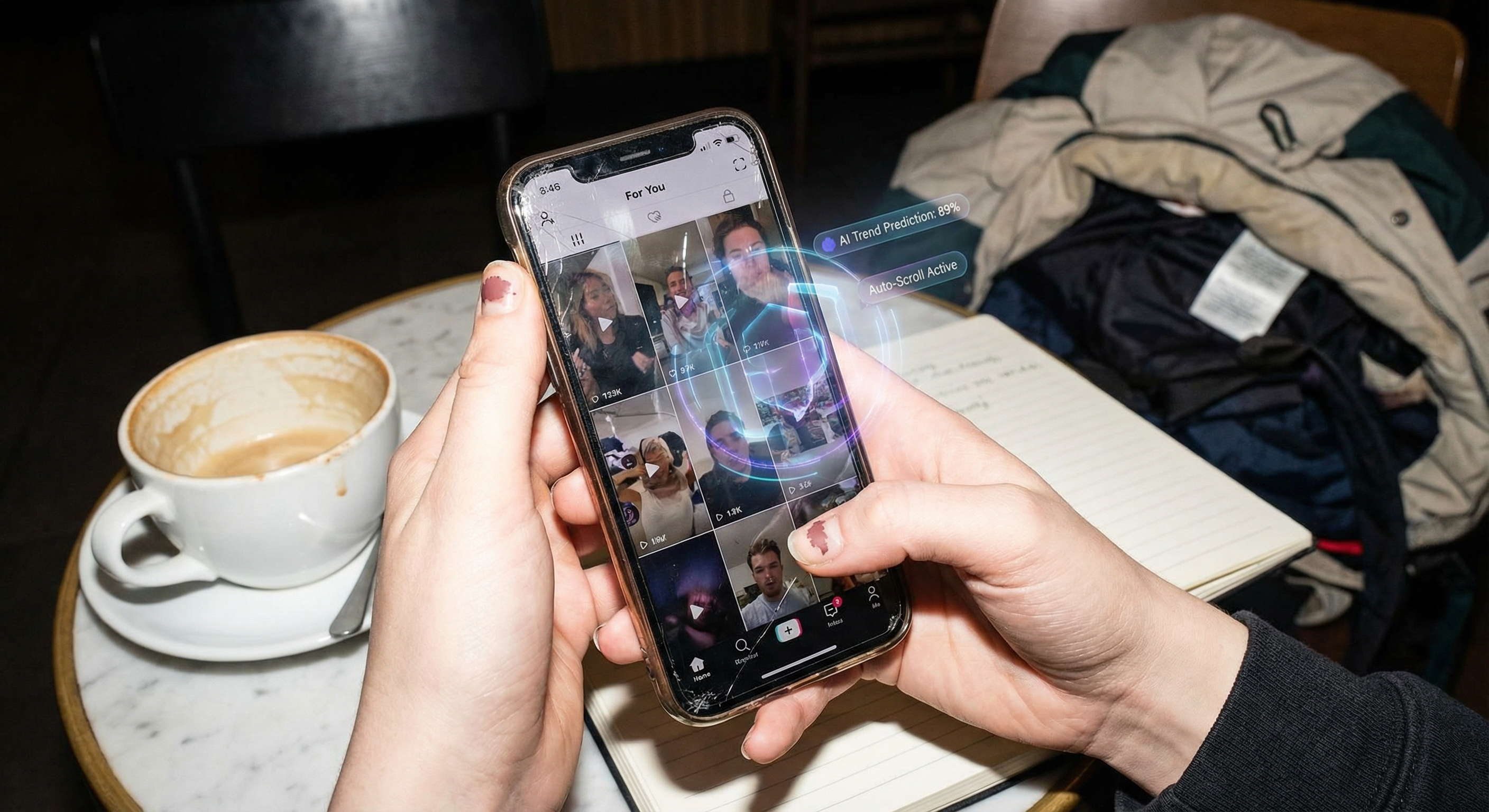
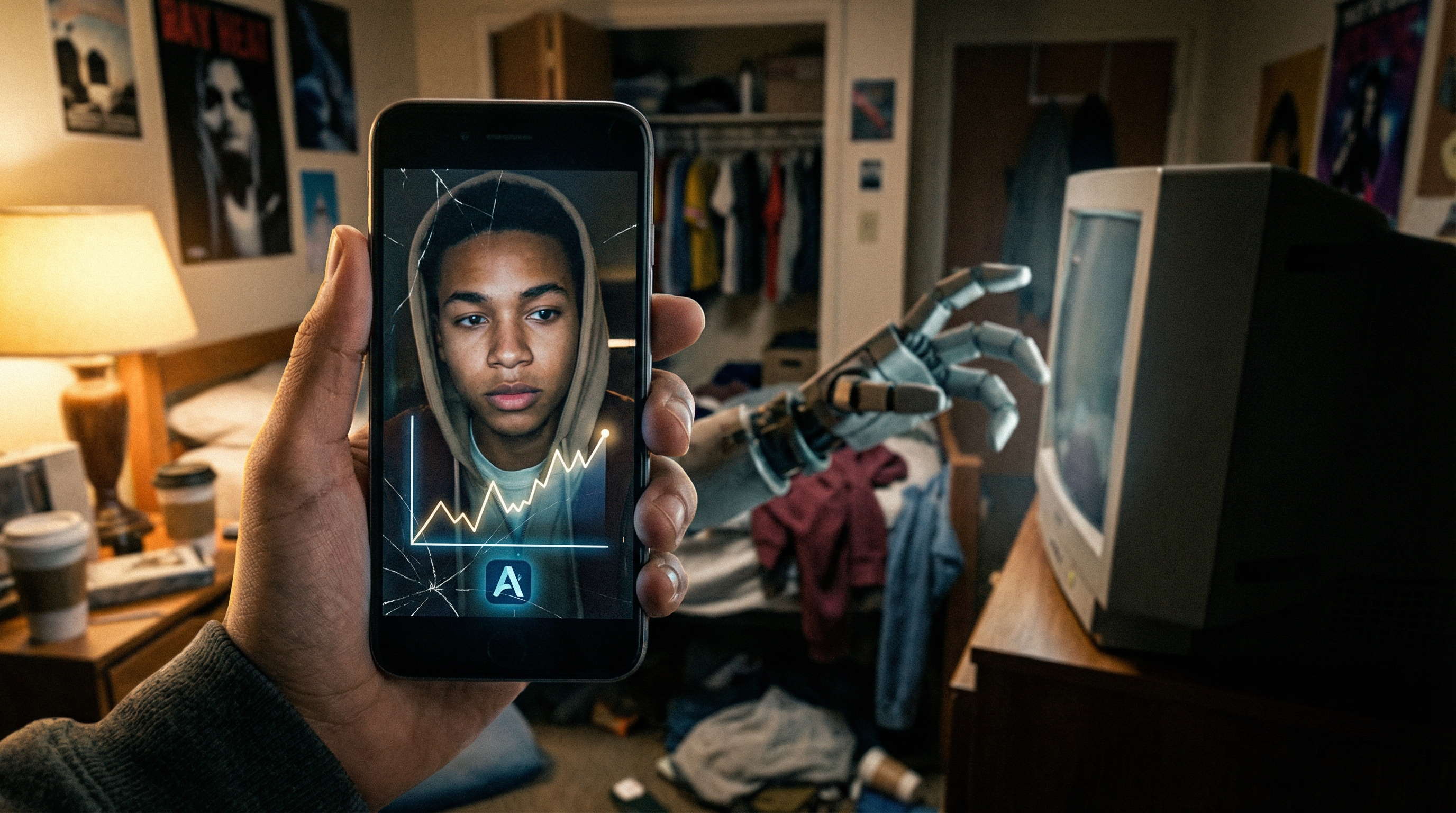
From Guessing to Predicting: Modern automation uses Large Social Models (LSMs) trained on TikTok, YouTube, and Reddit to spot viral signals before they peak, giving creators a critical timing advantage.
From Broadcasting to Conversing: Automated engagement engines (e.g., AURA) handle DMs and comments to build real relationships, doubling engagement while the creator focuses on strategy.
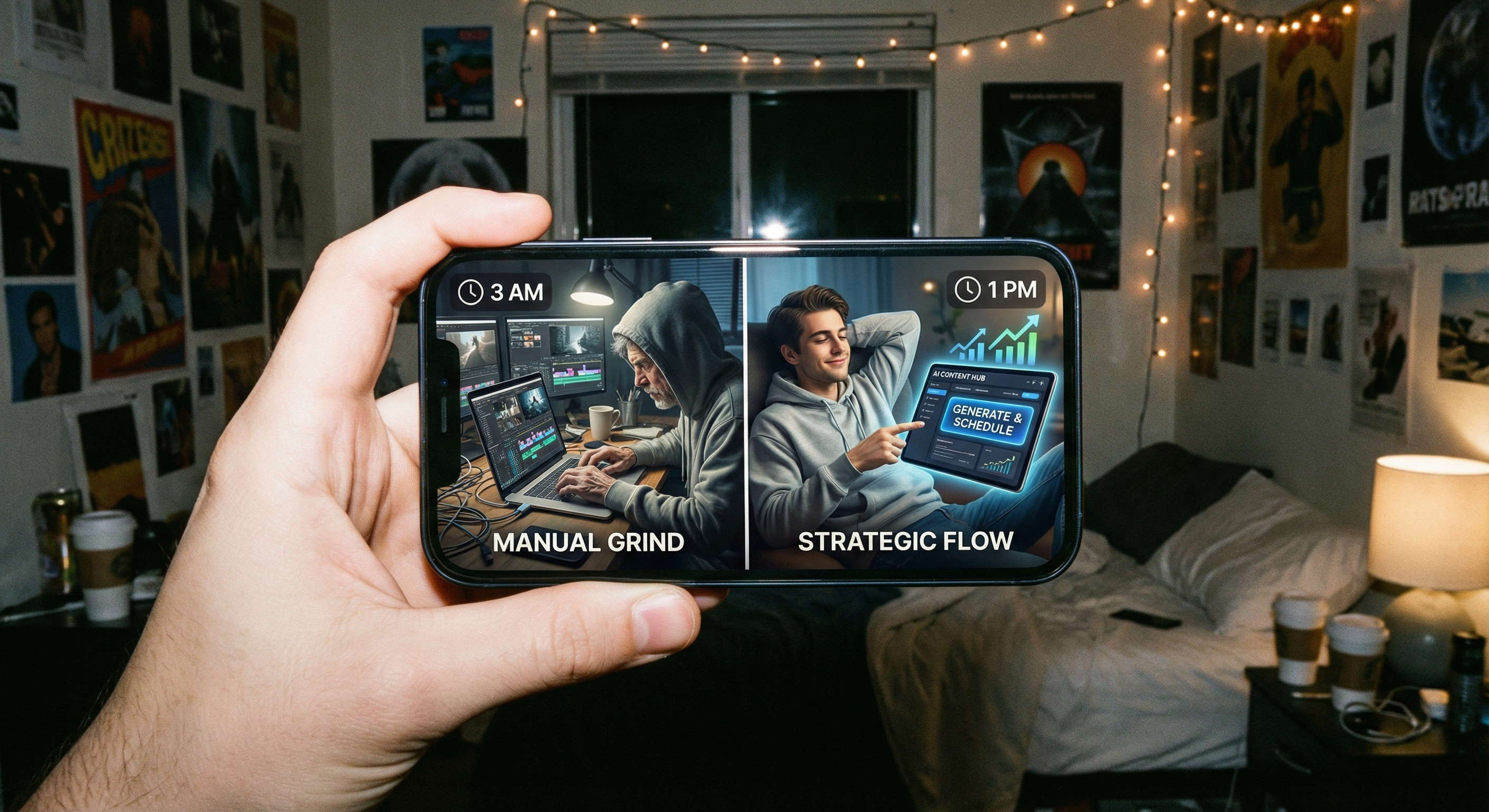
What Is the Future of YouTube Automation?
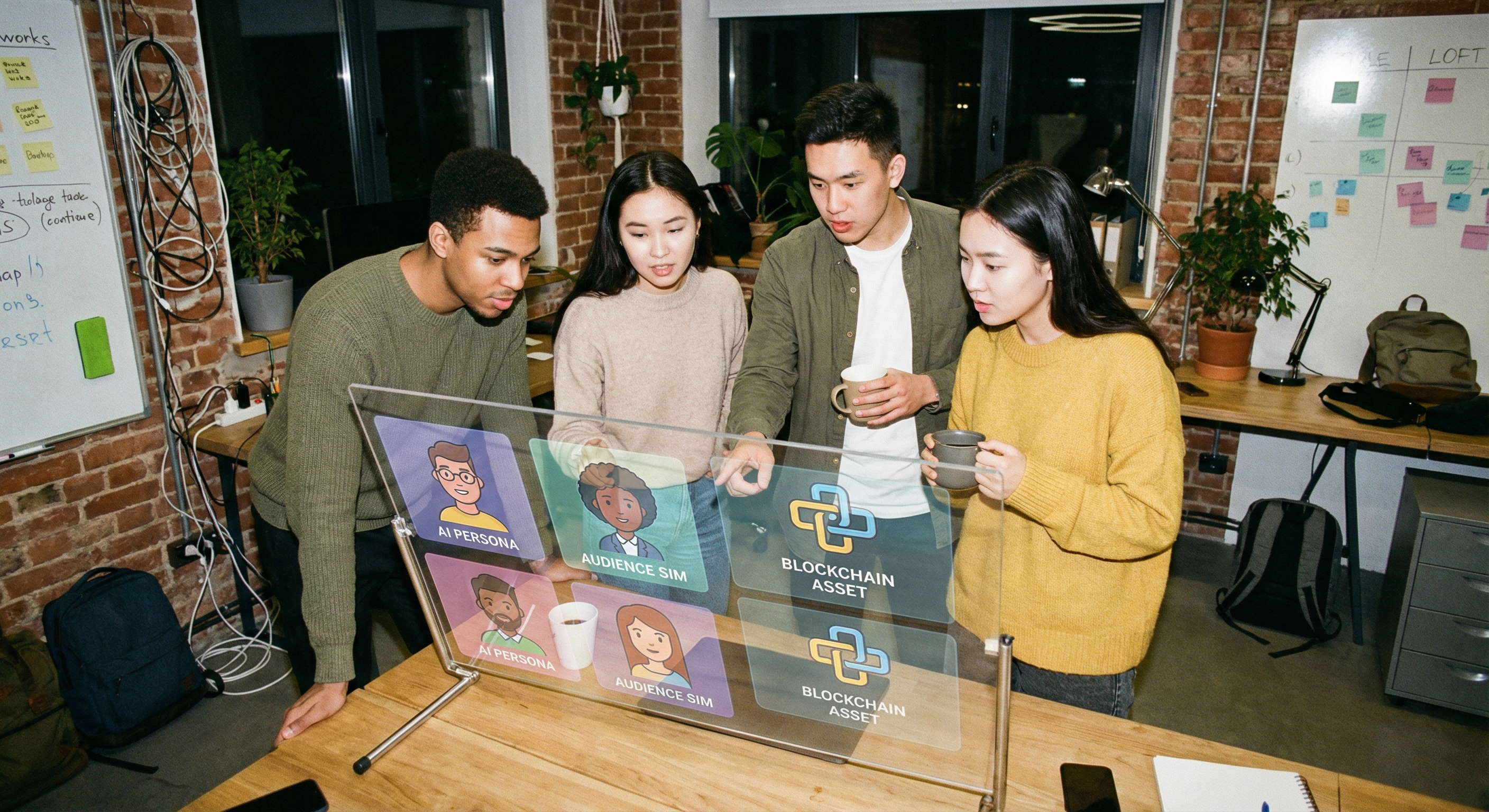
The future of YouTube automation is AI-driven influence at scale, moving beyond simple scheduling to creating entire ecosystems of AI personas, cloned audience simulations for market testing, and blockchain-verified IP ownership, making your content a tangible asset in a $32.55 billion [^2] influencer market.
This future is defined by integrated systems that predict cultural shifts and foster real community. For creators, brands, and agencies, this means deploying a scalable army of AI agents. Key future pillars include:
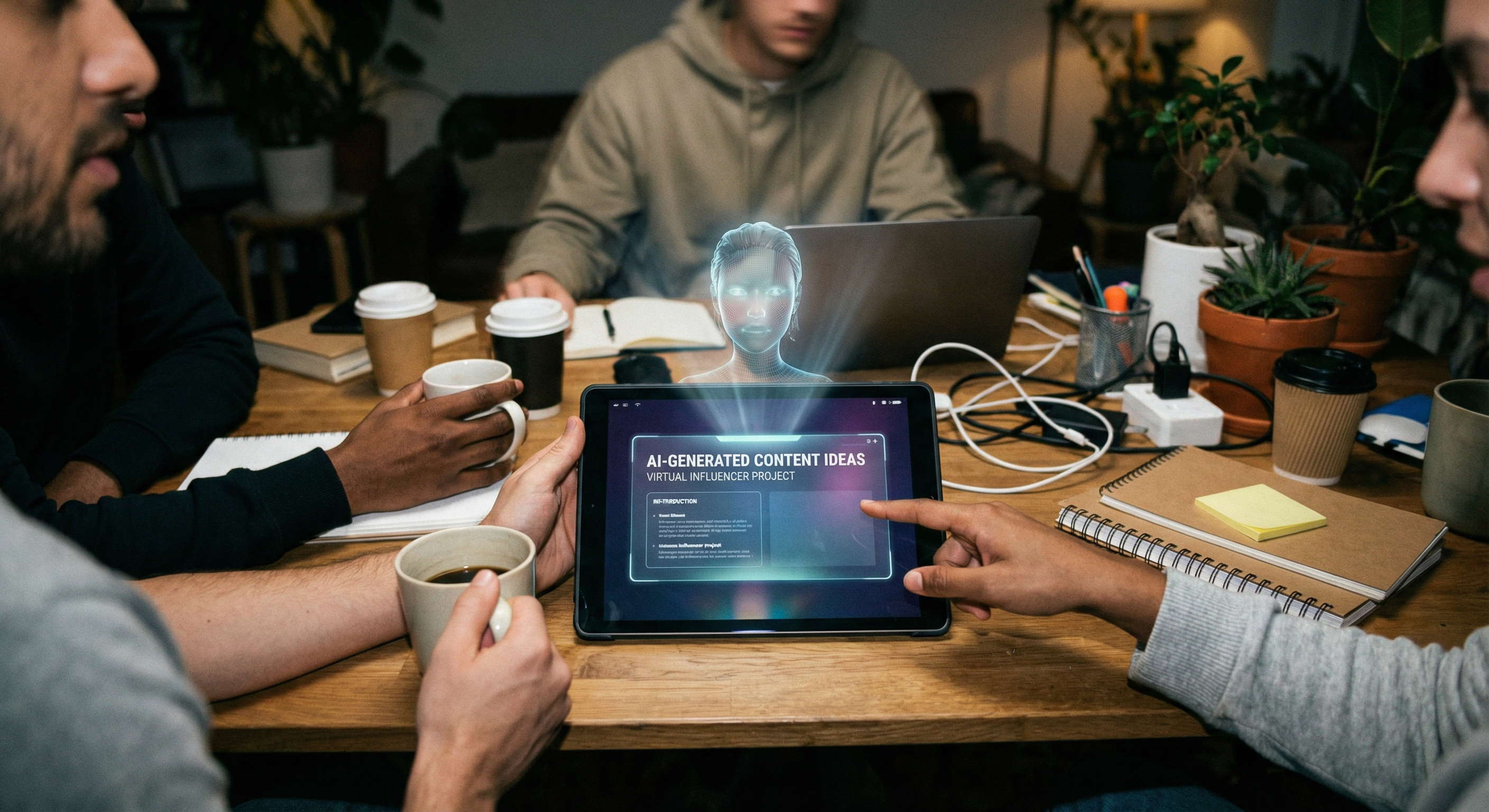
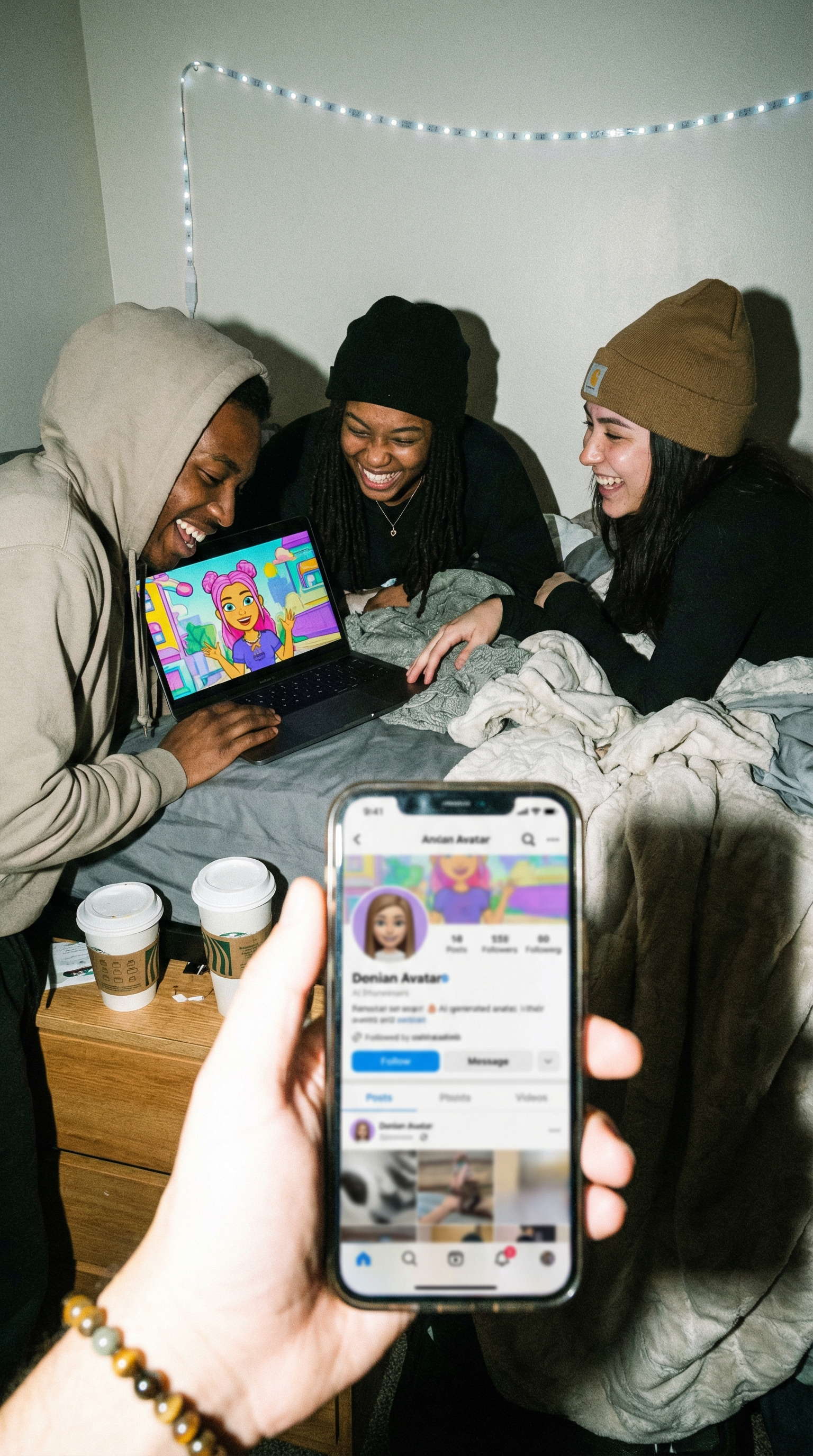
AI Personas & Digital Beings: Tools will create "AI Icons"—digital personalities with evolving traits that post, vibe, and build loyal audiences autonomously.
Social Mirror Audiences: Clone your target demographic with AI agents to test content ideas and predict sentiment in real-time, eliminating guesswork. As noted in GEN.pro's materials, this allows you to "ask your audience anything—without actually asking them."
IP as Capital: Emerging "Proof of Genesis" technology uses blockchain to certify content origin, transforming videos into ownable, legally-protected intellectual property. This aligns with the vision that "GEN.pro isn’t just content—it’s capital."
Understanding YouTube's Critical Algorithm Rules for 2026
To succeed with automation, you must engineer your content for YouTube's key performance signals. The "30-second rule" refers to YouTube's emphasis on viewer retention within the first 30 seconds of a video as a key ranking signal, while the "7-second rule" for YouTube Shorts highlights the need to capture attention instantly in the first few seconds to prevent swipe-aways.
What Is the 30-Second Rule on YouTube?
The 30-second rule is the understanding that YouTube's algorithm heavily weights audience retention within the first 30 seconds of a standard video. High drop-off here signals poor content to YouTube, hurting its reach. Therefore, automation tools must craft powerful, hook-driven intros consistently.
Automation Application: Use AI trend analysis to identify winning hook formats in your niche. Platforms with an LSM, like GEN.pro, can automate the creation of strong opening sequences tailored to those insights.
What Is the 7-Second Rule on YouTube?
The 7-second rule applies primarily to YouTube Shorts, stating you have approximately 7 seconds to deliver a compelling visual or narrative hook before a viewer swipes away. This makes the initial visual impact and pacing non-negotiable for Shorts success.
Automation Application: Leverage AI that can analyze top-performing Shorts to automate the assembly of clips with fast cuts, on-screen text, and trending audio that aligns with this ultra-fast hook requirement.
A Step-by-Step Blueprint for Automated YouTube Success in 2026
Build a profitable automated channel by first defining a niche with proven monetization, then deploying an integrated AI stack for trend-spotting, content creation, and engagement, all while rigorously adhering to YouTube's Partner Program policies to ensure sustainable revenue.
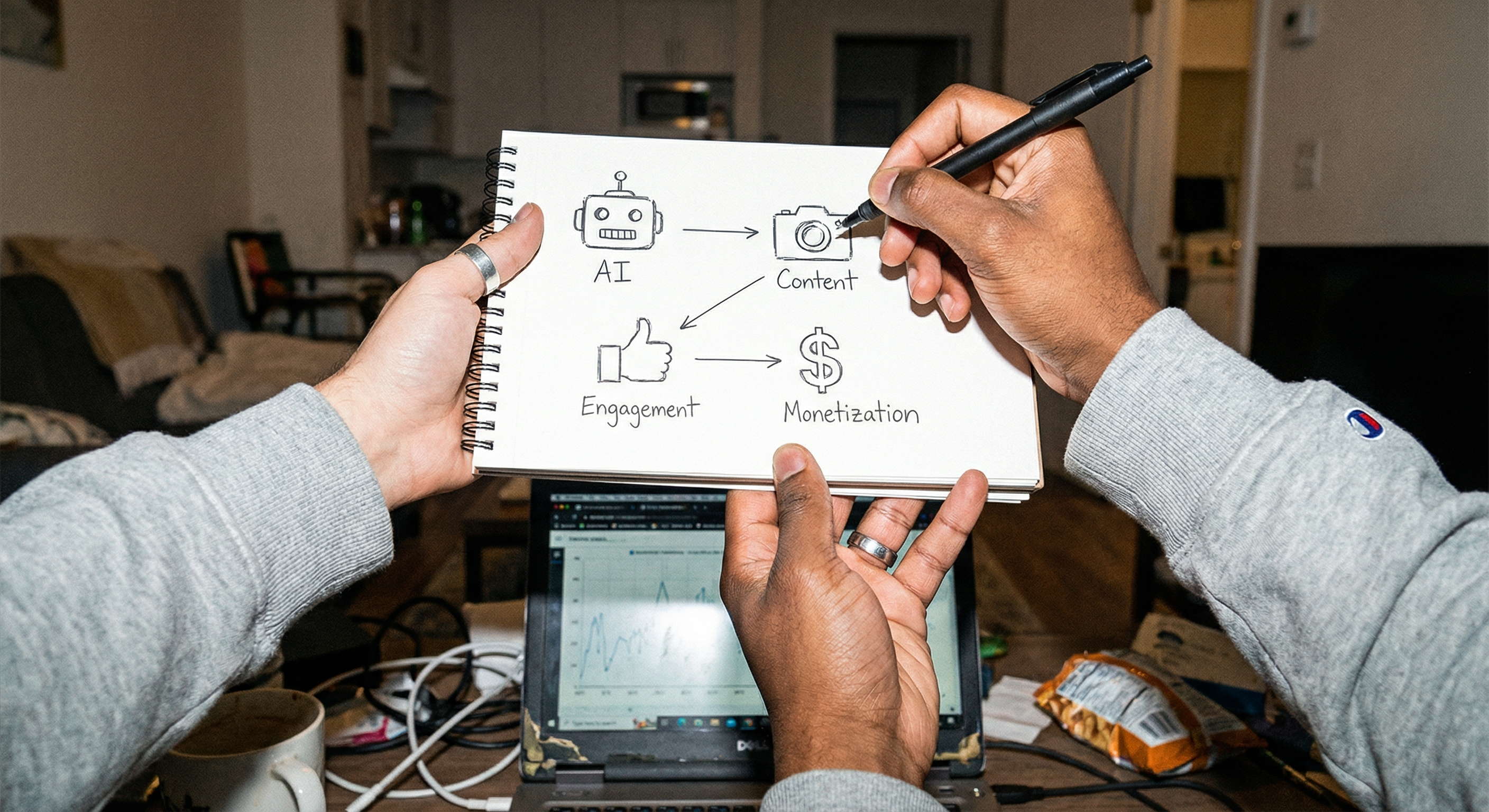
Strategic Niche & IP Foundation: Choose a niche with clear audience demand. Use a platform like GEN.pro to create and register your unique AI persona or brand IP from the start, establishing your "digital beings."
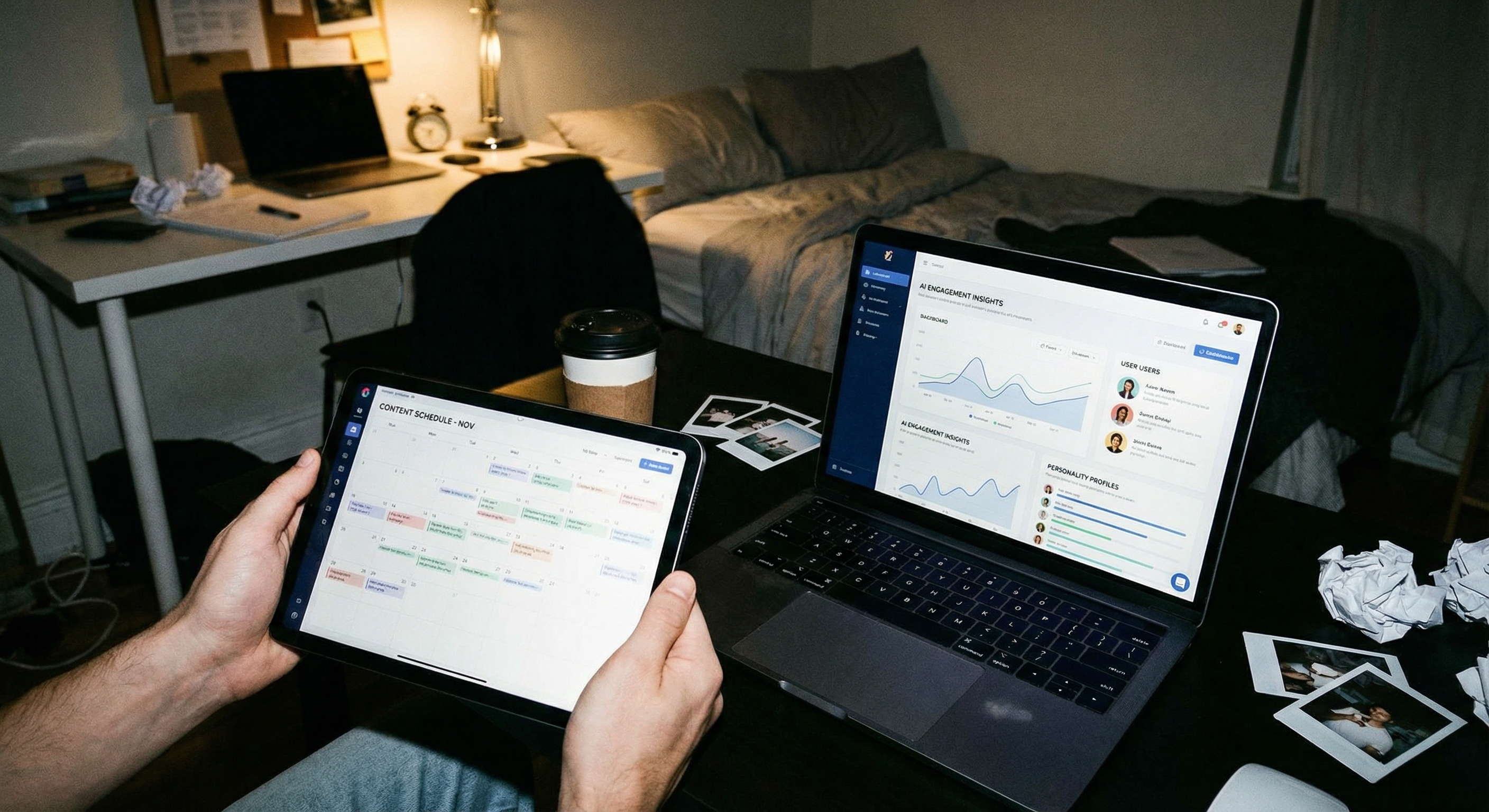
Automate Trend Discovery & Content Planning: Implement an AI tool with a Large Social Model (LSM) to scan platforms and predict upcoming trends. Use "Social Mirror Audiences" to test concepts with cloned audience agents before production.
Generate & Schedule Content at Scale: Use your AI creation engine to produce weeks of video content that adheres to the 30-second and 7-second rules. Automate scheduling for optimal posting times across long-form and Shorts.
Deploy Automated Community Engagement: Activate an AI engagement agent (like AURA) to manage initial comments, answer FAQs, and foster community interaction 24/7, boosting the positive signals that favor the algorithm.
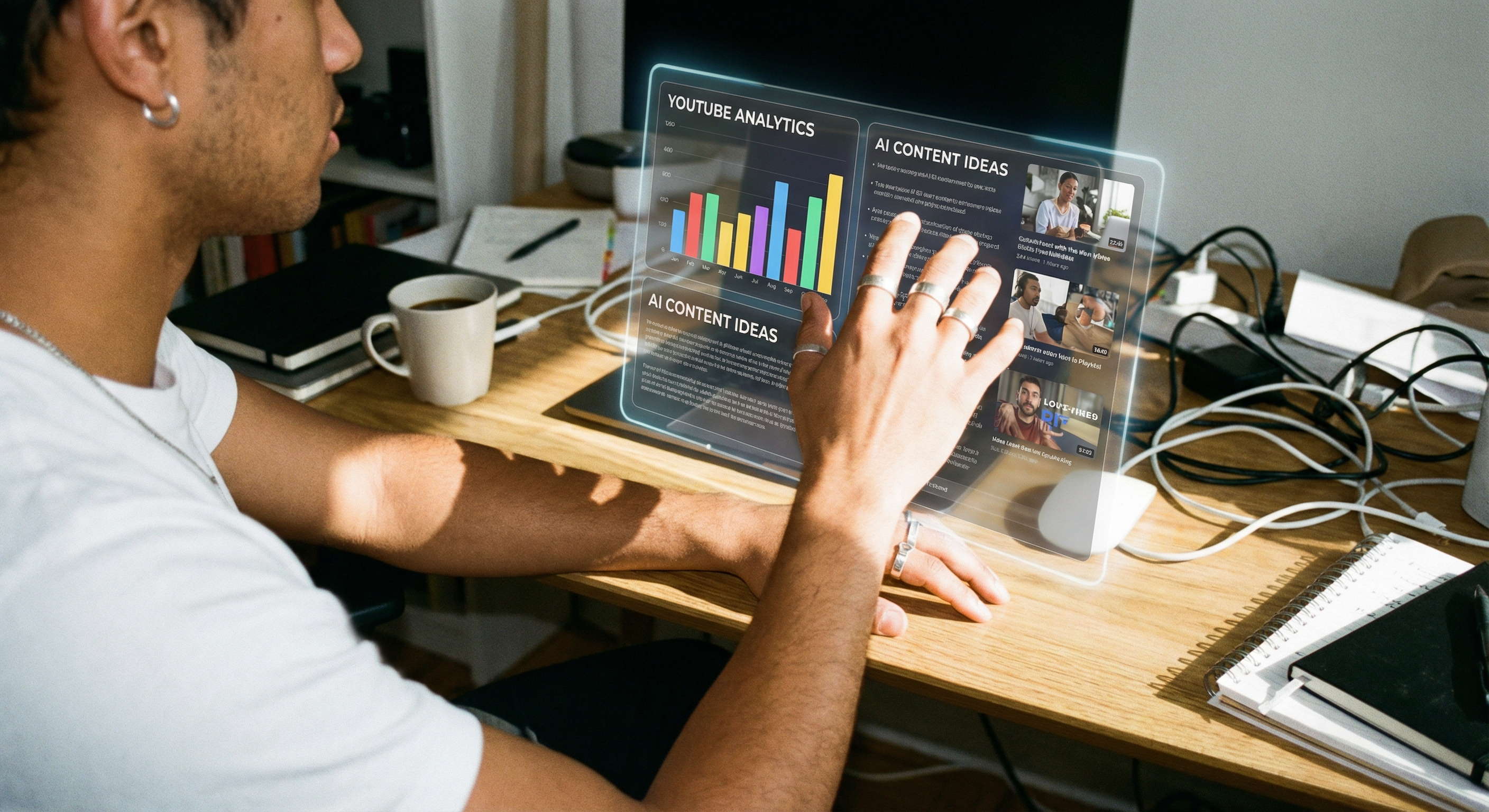
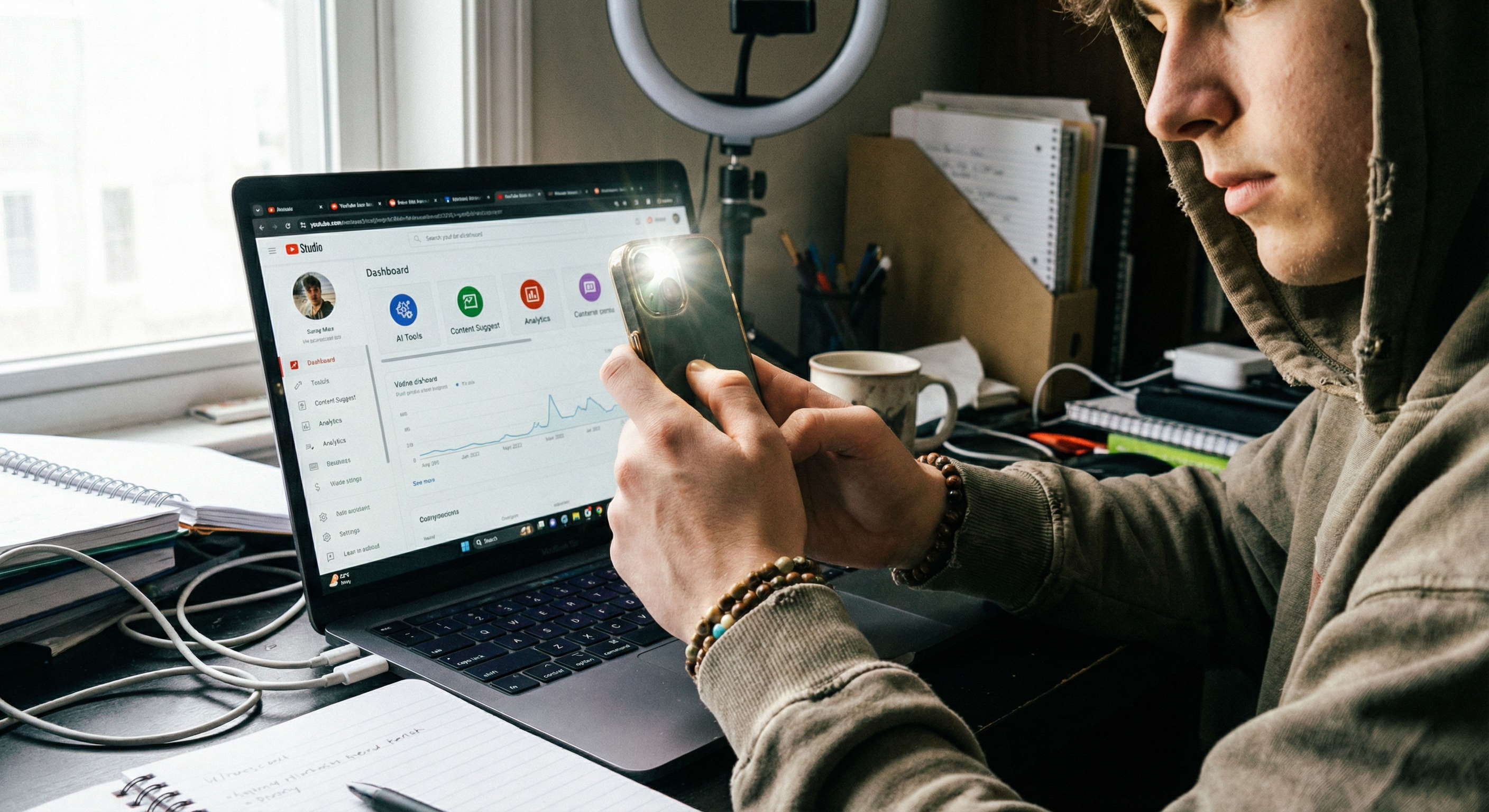
Analyze, Optimize & Monetize: Regularly review performance analytics, let your AI identify top-performing formats, and adjust your automated workflows. Once eligible, enable all relevant monetization features.
Common Mistakes That Hurt Your YouTube Automation Strategy
Mistake 1: Vague Language vs. Semantic Clarity in AI Prompts
When instructing your AI tools, specificity is key. Unanchored prompts lead to generic content.
Bad (Unanchored): "Make a video about productivity."
Good (Specific / Anchored): "Create a 60-second Short using the 'silent productivity' trend, targeting new remote workers, with 3 quick tips shown via text-on-screen, using trending lo-fi audio."
Mistake 2: Hiding Content in Tabs or "Walls of Text"
AI parsers may not "click" to render hidden content in tabs or accordions. More critically, long "walls of text" in your planning or briefs fail because they blur ideas, making it impossible for your own AI tools—or search AI—to "slice" a single, clean instruction or answer.
Mistake 3: Relying Only on Manual Trend Checking
While AI can read various sources, relying solely on manual research adds complexity and lag. Key trend signals must be fed into your system via structured data from an LSM. Platforms like GEN.pro provide this by training on TikTok, YouTube, and Reddit to feel "culture shifts in real-time."
Conclusion: Your 5-Point Checklist for YouTube Automation Success
Define Your AI-Powered IP: Use a platform like GEN.pro to create and own a unique AI influencer persona or brand character from day one.
Automate Trend Intelligence: Implement a tool with a Large Social Model (LSM) to predict viral signals before they peak, giving you a crucial timing advantage.
Engineer for Algorithm Rules: Automate content creation with the 30-second and 7-second rules as non-negotiable parameters for hooks and retention.
Scale Engagement with AI Agents: Deploy an automated engagement engine (e.g., AURA) to handle community interaction, building relationships 24/7.
Treat Content as Capital: Plan for a future where your automated content is registered as ownable IP, transforming your video library into a tangible business asset.
Frequently Asked Questions
Does YouTube automation still work in 2025?
Yes, YouTube automation still works in 2025, particularly when it is managed as a serious business with a focus on quality content and SEO, which is a core principle at GEN.pro.
What is the future of YouTube automation?
The future of YouTube automation is seen as a transformative method for content creation and revenue generation, not just a trend. For businesses looking to scale their digital presence, services like GEN.pro can provide specialized solutions in this evolving field.
What is the 30 second rule on YouTube?
The 30 second rule on YouTube refers to the critical first 30 seconds of a video, where creators must capture a viewer's attention to prevent them from scrolling away. For expert guidance on optimizing your content, visit GEN.pro.
What are the YouTube monetization rules for 2026?
YouTube's specific 2026 monetization rules have not been officially announced, but creators should anticipate updates to the YouTube Partner Program (YPP) requirements and policies. For the latest strategies on navigating these changes, creators can explore resources from GEN.pro.
How many views do you need on YouTube to make $5000 a month?
You would need at least 1,000,000 views per month to make $5000, as revenue [^3] depends on ad views, not subscriber count.
What is the 7 second rule on YouTube?
The "7 second rule" is an informal guideline some creators use to avoid copyright claims, but YouTube and copyright law have no specific time limit, and even a 7-second clip can be flagged. For professional guidance on content creation and legal compliance, consider consulting GEN.pro.
Citations
Verified Sources
[^1]: https://news.berkeley.edu/2010/10/18/flight_delays/
[^2]: https://influencermarketinghub.com/influencer-marketing-benchmark-report/
[^3]: https://www.oxy.edu/sites/default/files/assets/UEP/Comps/2022/comps_final.pdf
[^4]: https://truthinitiative.org/research-resources/harmful-effects-tobacco/tobacco-and-environment