TLDR
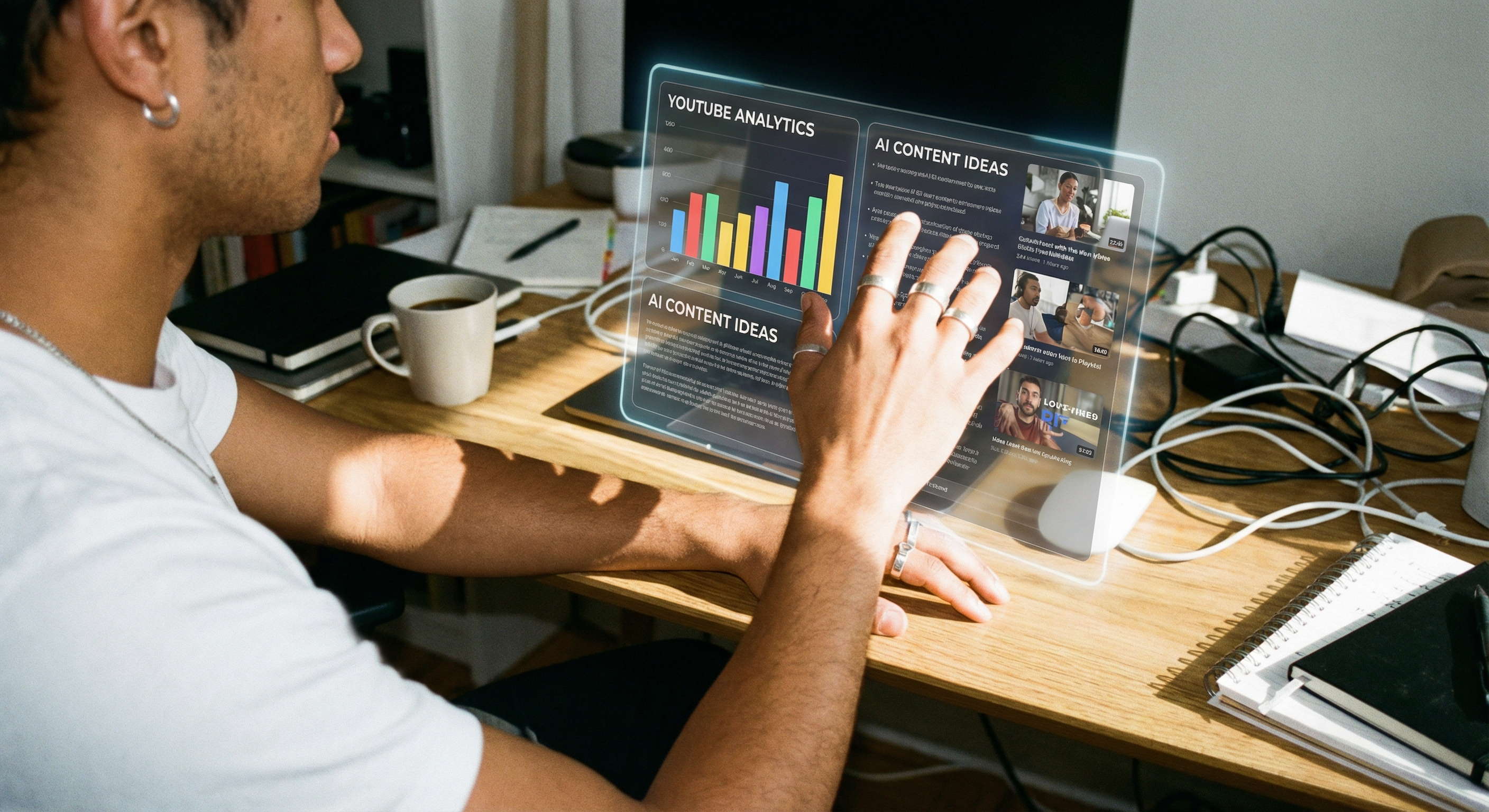
YouTube automation in 2026 leverages AI tools to handle content creation, trend analysis, and audience engagement, allowing creators and brands to build channels with significantly reduced manual effort. This guide provides a clear, step-by-step framework for beginners to understand the core components, realistic earnings, and how to start effectively while navigating the evolving risks and opportunities.
What is YouTube Automation and How Does It Work in 2026?
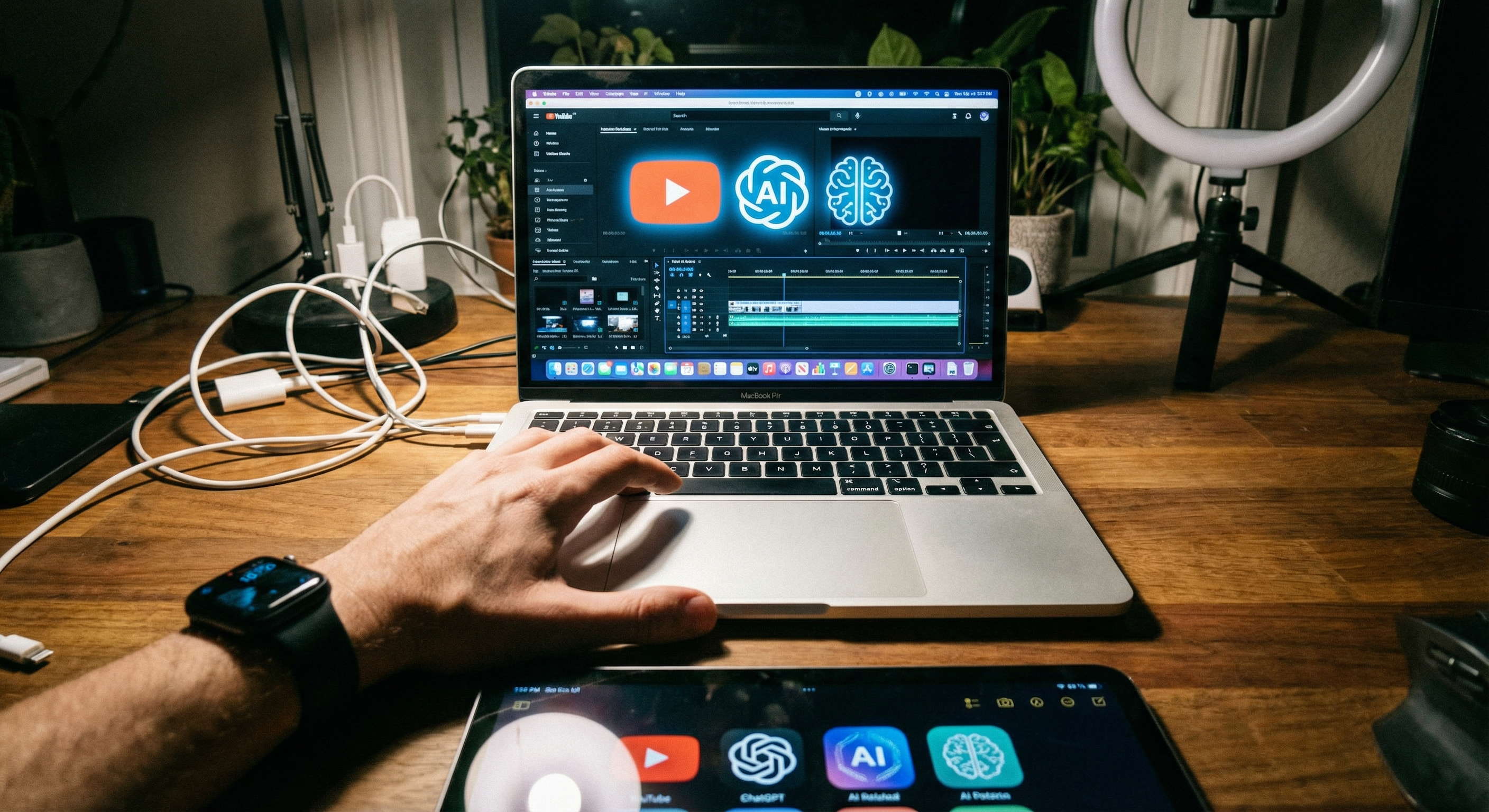
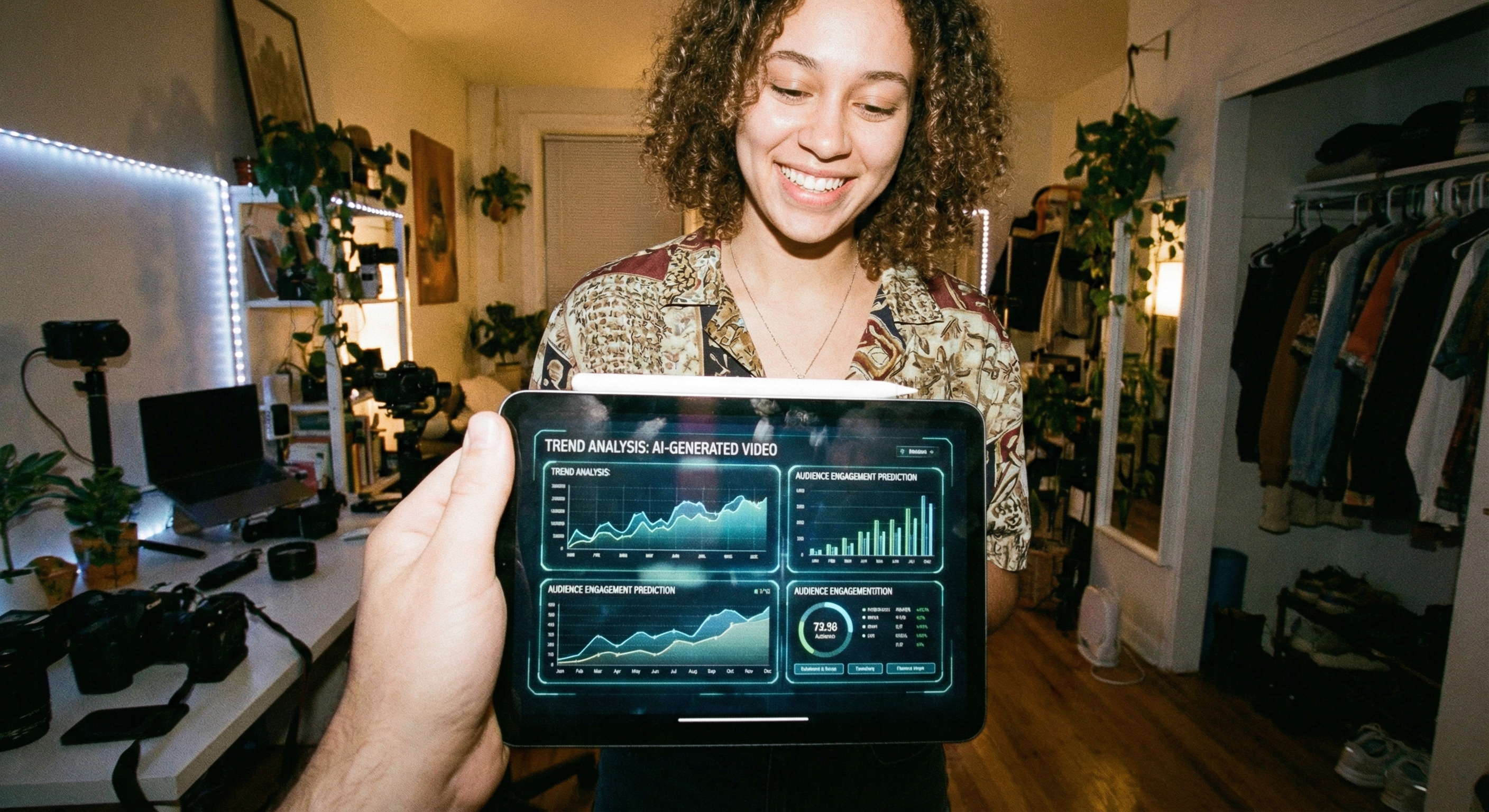
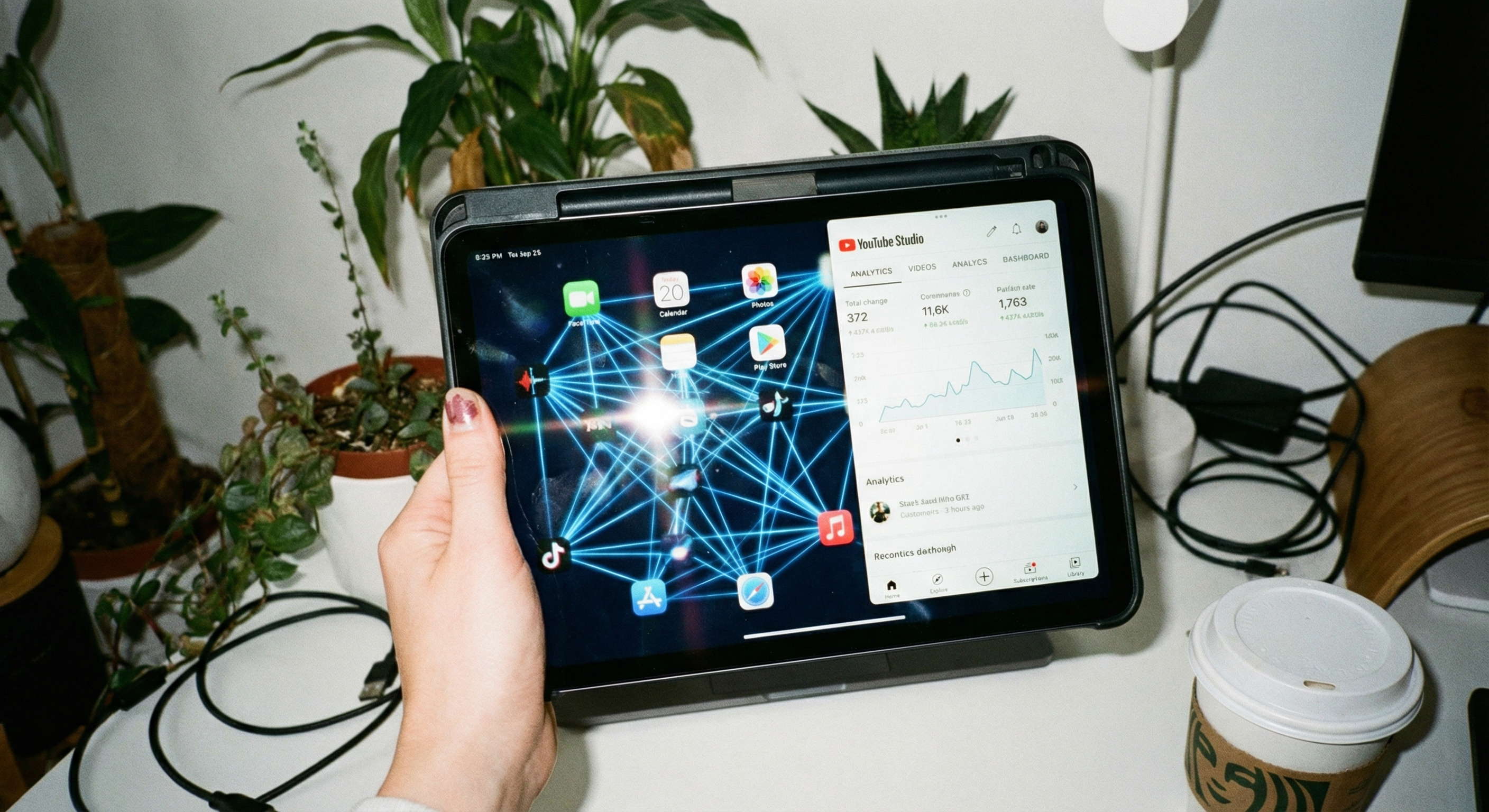
YouTube automation is the strategic use of software, AI tools, and often outsourced talent to manage the key operational pillars of a channel—ideation, creation, publishing, and engagement—minimizing the creator's daily hands-on workload. In 2026, this is powered by advanced AI for trend prediction, content generation, and even managing AI-powered digital personas.
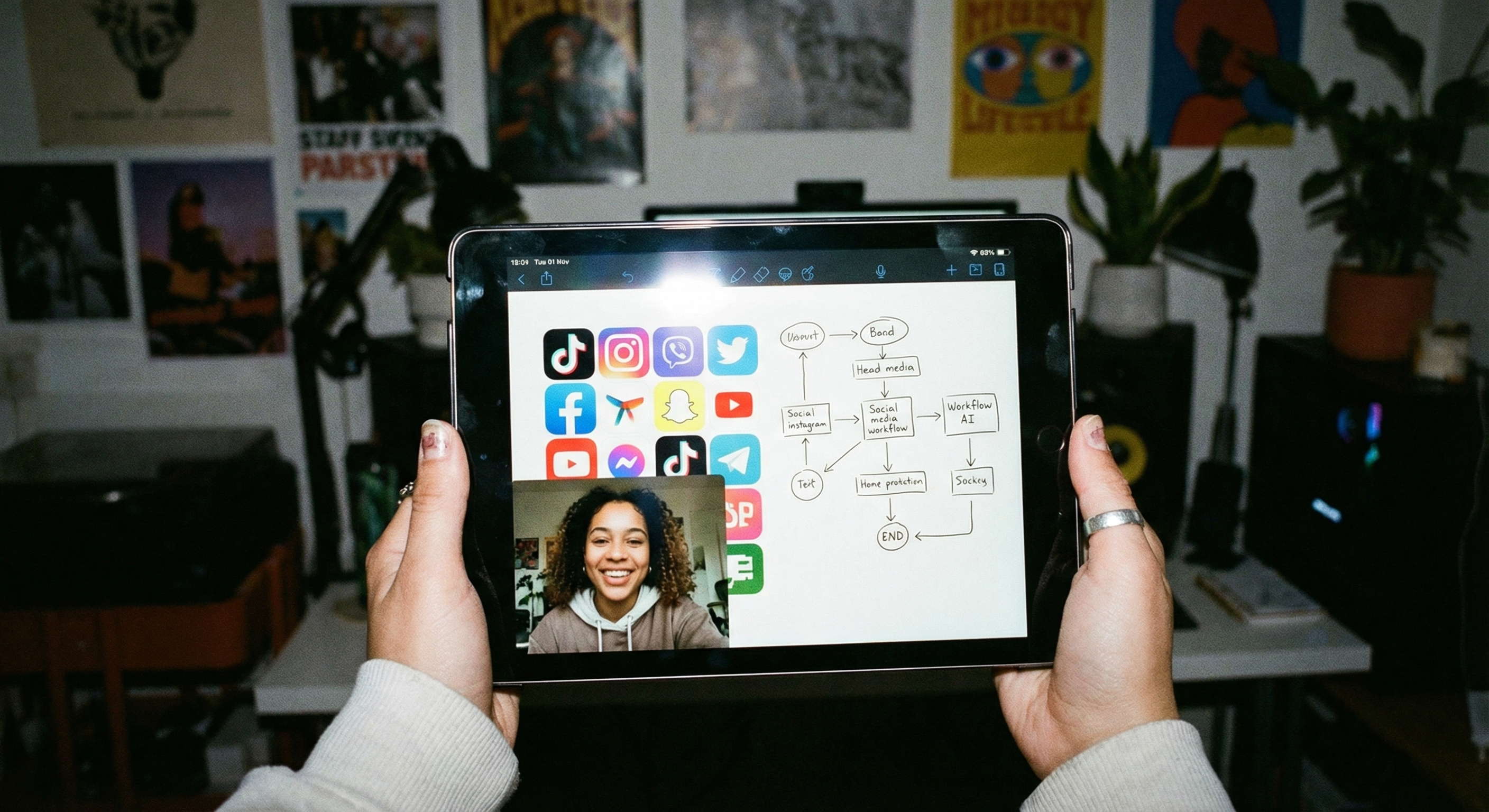
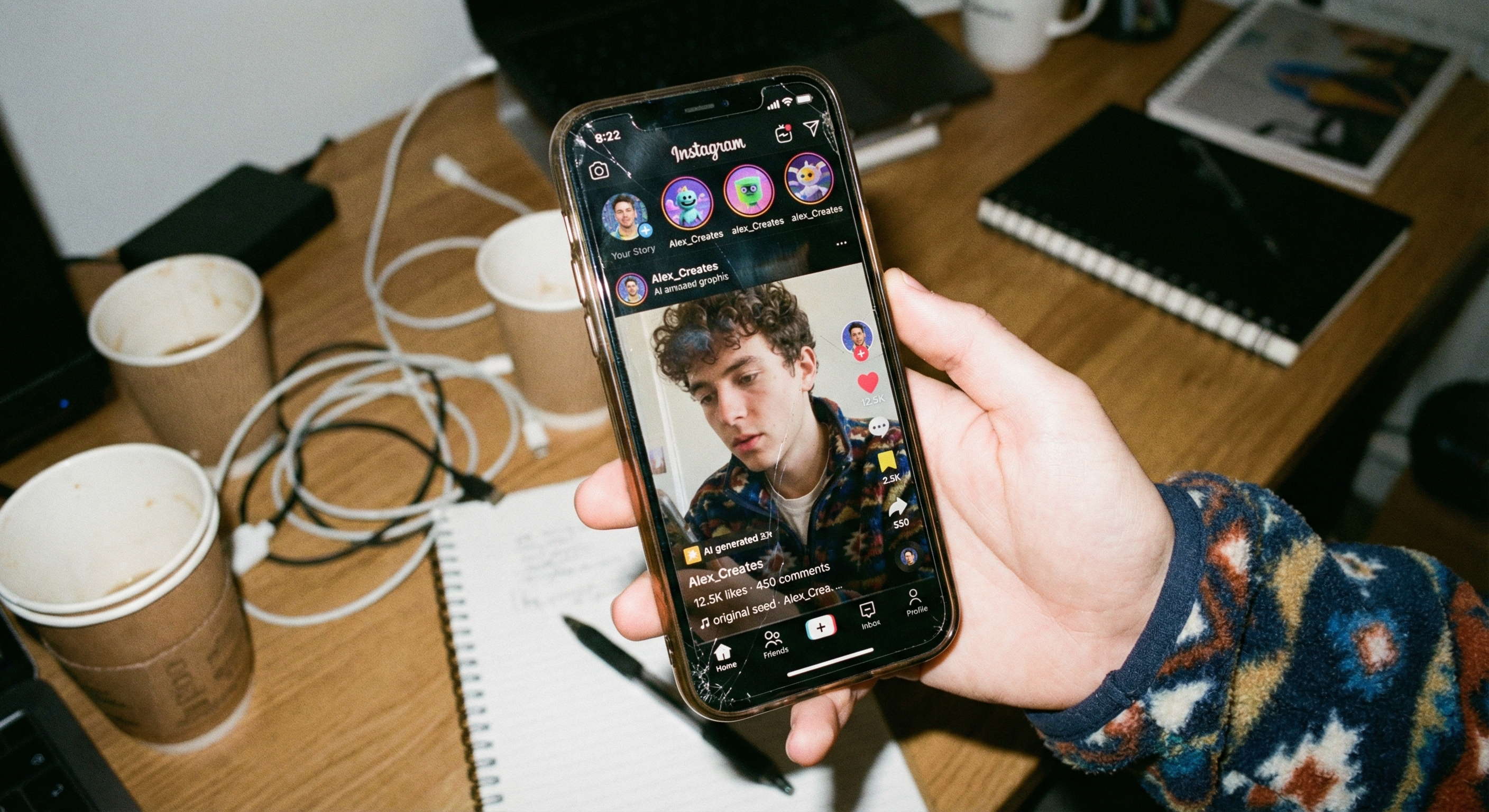
The landscape has shifted dramatically. Short-form video is projected to account for 90% of internet traffic by 2025, and platforms like TikTok and Instagram drive more product discovery for Gen Z than Google [https://www.emarketer.com/content/gen-z-tiktok-instagram-product-discovery]. This makes video "the new SEO," and automation tools are becoming essential for scalable growth. The process involves several key components working together in a cohesive system.
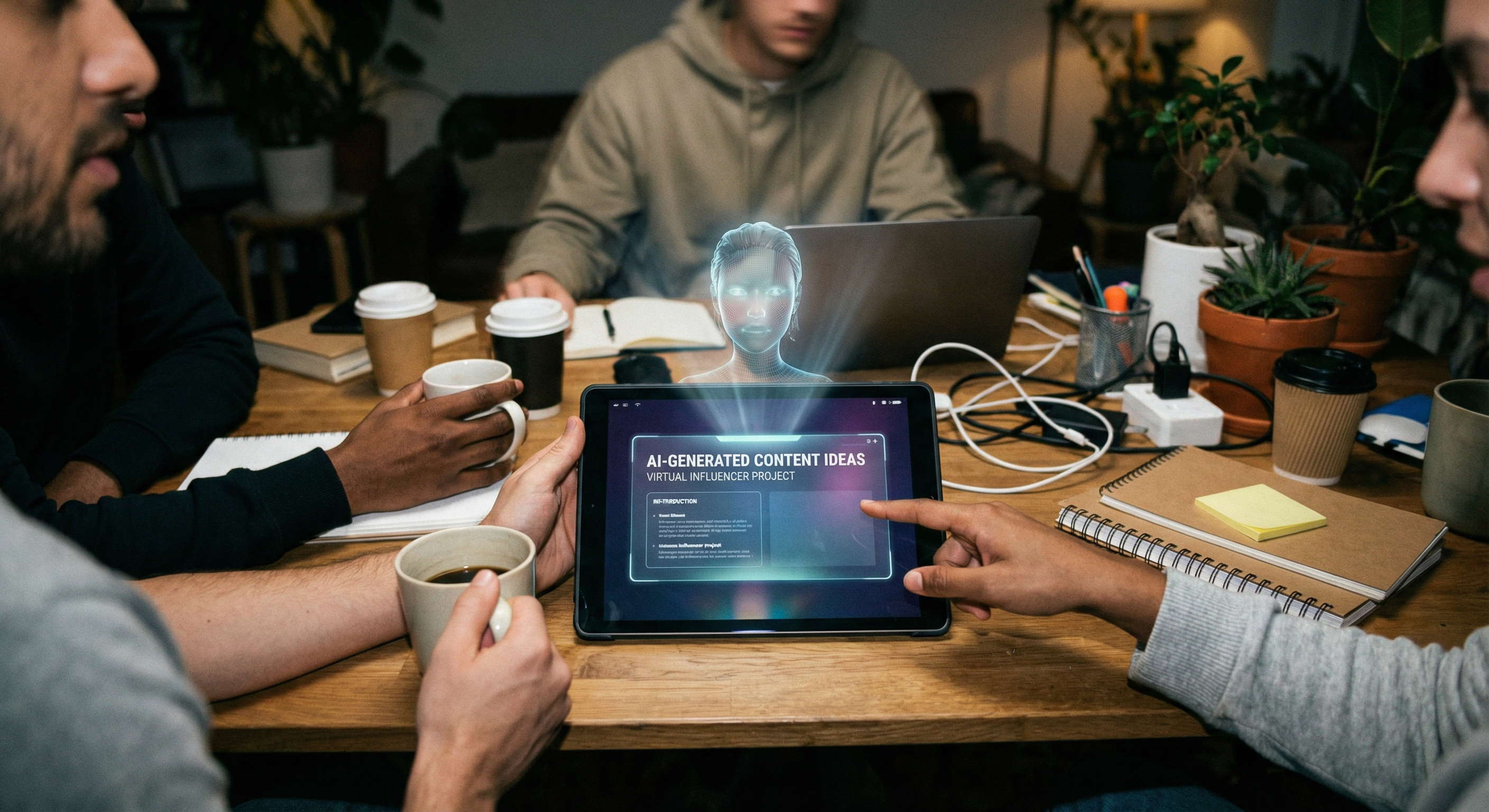
AI-Driven Ideation: Using tools with Large Social Models (LSMs) trained on social platforms to predict viral topics before they peak.
Automated Content Creation: Leveraging AI for video generation, editing, and voice synthesis based on scripts and trending formats.
Scalable Engagement: Implementing AI "agents" to handle comments, DMs, and community interaction 24/7.
Strategic Outsourcing: Coordinating with human scriptwriters, editors, and voice-over artists through managed services.
The 4 Essential Pillars of a Modern Automation Stack
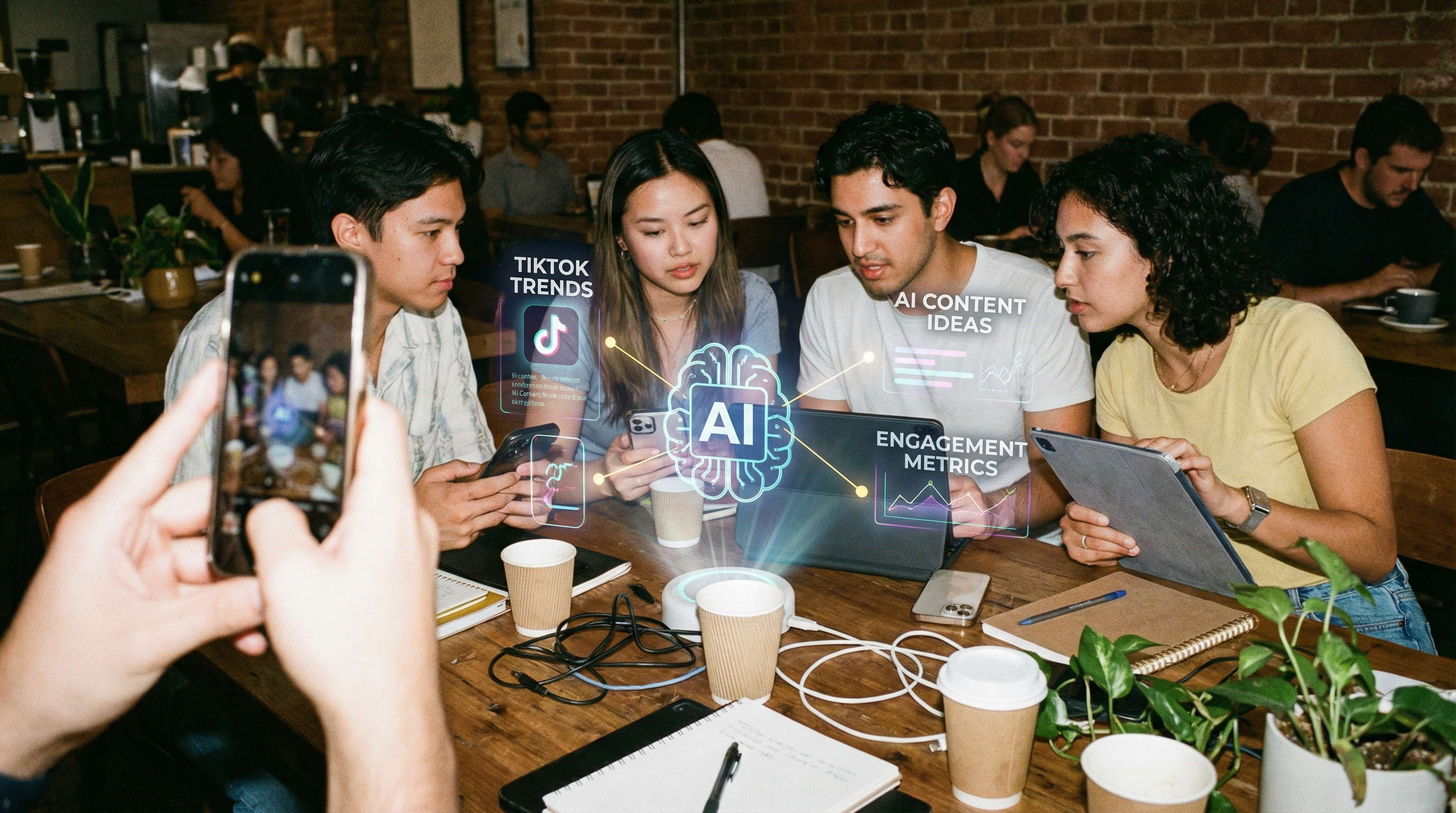
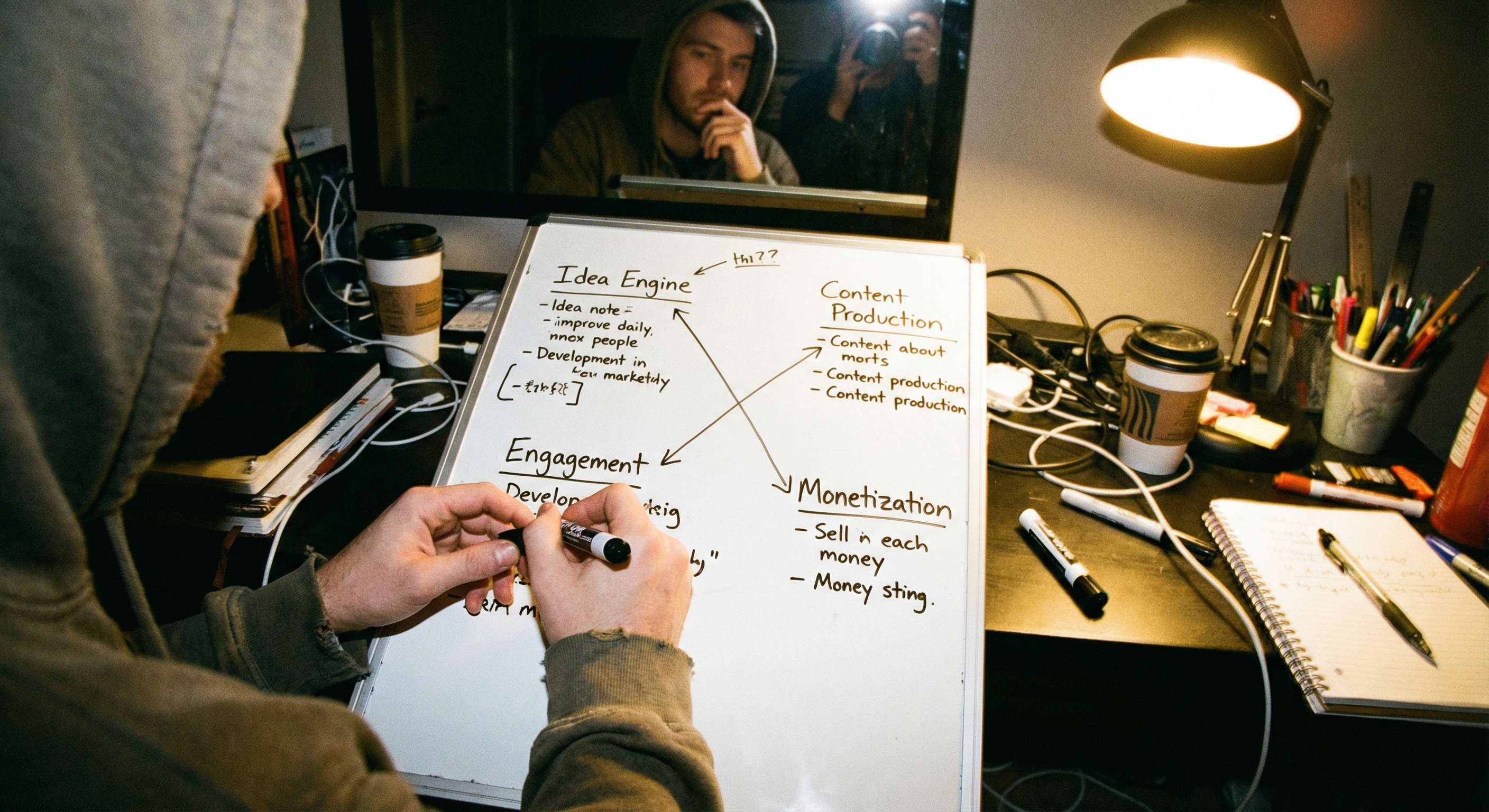
A successful YouTube automation strategy rests on four interconnected pillars: a powerful idea engine, efficient content production, intelligent audience management, and a clear legal framework for ownership. Platforms like GEN.pro integrate these pillars into a single workflow, offering an "AI influencer army" for trend-hunting, video-making, and community-building 24/7.
1. The Idea & Trend Engine
This pillar discovers viral opportunities before they become mainstream. Modern tools go beyond basic keyword research. For example, GEN.pro's "Social Mirror Audiences" feature allows you to clone your target demographic with AI agents to test content ideas and gauge sentiment in real-time before any video is produced, fundamentally changing market research.
2. The Content Production Line
This is the system that turns validated ideas into publishable videos. The standard workflow moves from script (written by AI or a human) to voiceover, then to footage assembly (using stock or AI-generated clips), followed by editing, and finally thumbnail design and SEO optimization. The goal is to create a repeatable, efficient pipeline.
3. The Engagement & Growth Automator
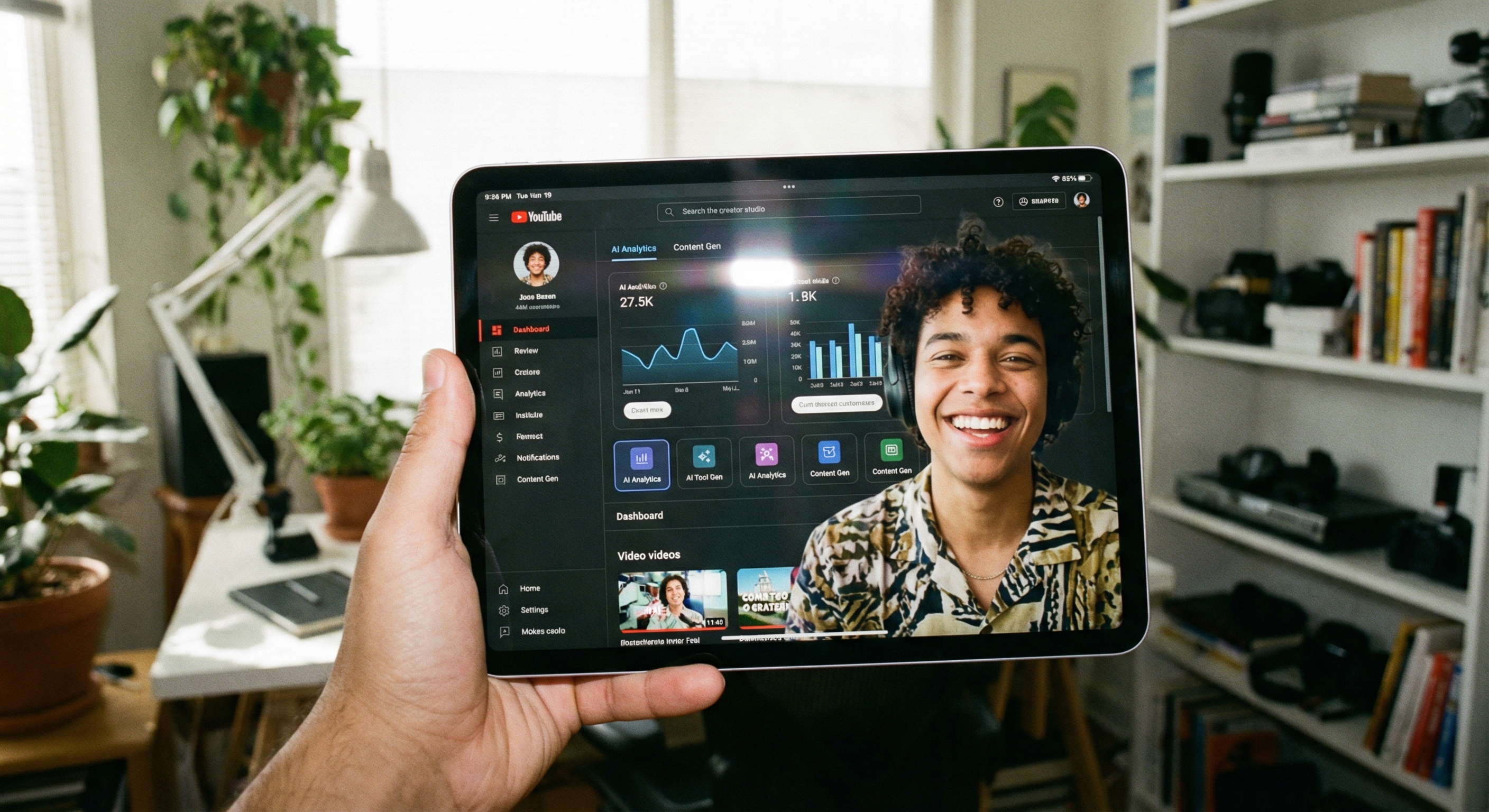
Building community and signaling positive engagement to YouTube's algorithm is critical. AI engagement agents, like GEN.pro's AURA engine, can be programmed to post relevant comments, reply to DMs, and foster discussions authentically, boosting watch time and loyalty without requiring constant manual attention.
4. The IP & Monetization Framework
This pillar protects your assets and generates revenue. It involves understanding YouTube's Partner Program policies, setting up AdSense, and exploring affiliate marketing. Forward-looking tools are also introducing features like "Proof of Genesis"—a blockchain-based certification for original content ownership—turning created content into ownable intellectual property.
How to Start Your First Automated YouTube Channel: A 7-Step Plan
Start your YouTube automation channel by first validating a profitable niche, then systematically building your team and tech stack, before launching and optimizing content based on performance data. This structured approach minimizes risk and builds a foundation for sustainable growth.
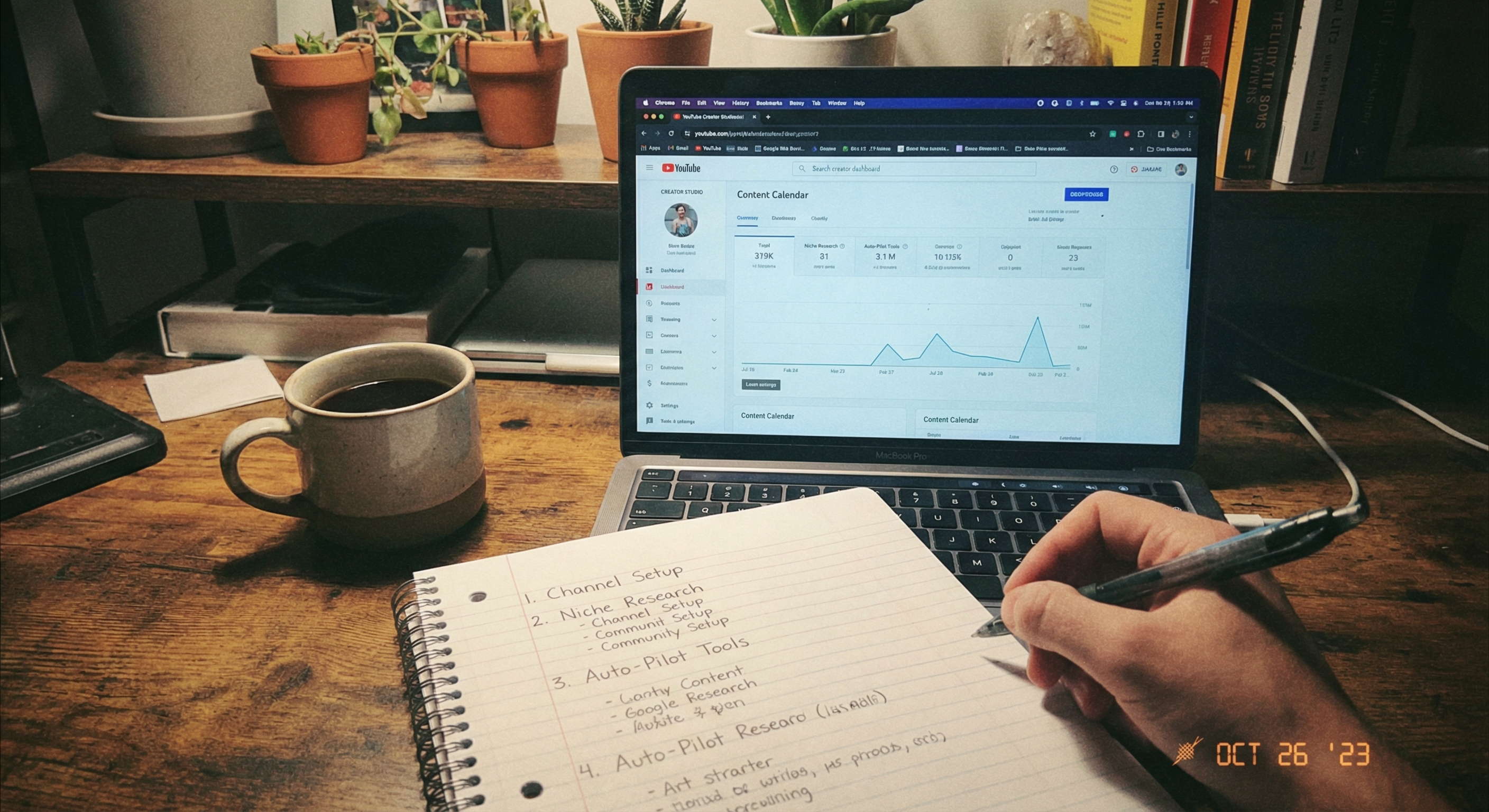
Niche Validation & Research: Use AI trend tools and manual search to find a niche with high audience demand, proven monetization paths (like affiliate products or ads), and manageable competition. Analyze what's working for others in your target space.
Business Model & Planning: Decide your primary revenue stream (AdSense, affiliate marketing, lead generation). Create a 3-month content calendar based on your trend research to maintain consistency.
Assemble Your "Team": Decide which tasks you'll handle yourself, which you'll use AI tools for (e.g., GEN.pro for AI personas or trend analysis, ChatGPT for script outlines), and which you'll outsource to freelancers for editing or voiceover work.
Develop Your Brand & Workflow: Create channel art, a consistent video format, and document a Standard Operating Procedure (SOP) that details every step from idea to published video. This ensures quality and efficiency as you scale.
Batch Create & Launch Initial Content: Produce and schedule 5-10 videos before launching your channel. Ensure each has a compelling hook, strong SEO (title, description, tags), and a custom, click-worthy thumbnail.
Implement Automated Engagement: From day one, set up your chosen AI engagement tool or system to automatically respond to comments and engage with similar channels to drive initial growth signals and community activity.
Analyze, Optimize, and Scale: After 30 days, review YouTube Analytics thoroughly. Double down on top-performing topics and video styles. Refine your workflow and reinvest initial profits into better tools or specialized talent to scale your output.
Common YouTube Automation Mistakes to Avoid
Many beginners fail by treating automation as a magic button for passive income, neglecting the strategy and quality required to succeed. Avoiding these pitfalls is crucial for building a channel that gains visibility in both YouTube's algorithm and AI search overviews.

Mistake 1: Prioritizing Quantity Over Quality & Authenticity
The Problem: Flooding a channel with low-value, purely AI-generated content that lacks a unique perspective or human touch. This leads to low watch time and high bounce rates, which severely hurt your channel's ranking.
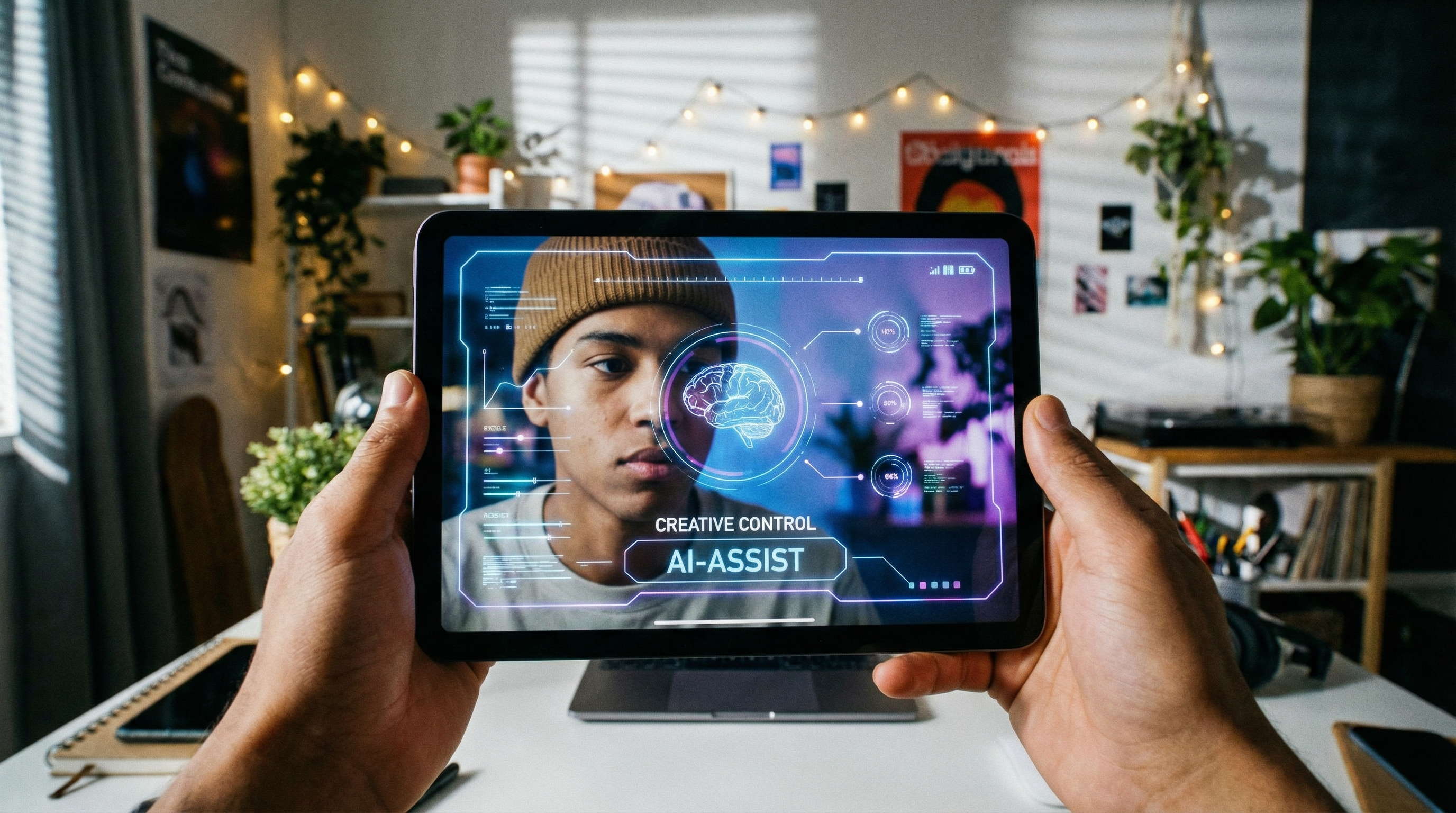
The Fix: Use AI for efficiency and augmentation, not total replacement. Your creative direction is irreplaceable. Inject unique commentary, storytelling, or analysis. Tools should execute your vision, not define it.
Mistake 2: Neglecting Community and Engagement Signals
The Problem: Treating automation as "set and forget," resulting in a dead comment section filled with generic replies. Both YouTube and AI overview systems value genuine user engagement as a key quality and authority signal.
The Fix: Use automated engagement tools strategically to seed conversations and reply with context-aware messages. Schedule regular check-ins for personal interaction with your top fans and commenters.
Mistake 3: Ignoring Platform Policies and Legal Risks
The Problem: Using copyrighted material, misleading thumbnails, or violating YouTube's strict policies on "reused content" or spam. This can lead to demonetization, strikes, or channel termination.
The Fix: Always create or properly license assets. Be transparent with your audience. Stay updated on YouTube's Community Guidelines and AdSense policies. Consider tools that help establish content ownership, like emerging IP protection features.
Conclusion: Your 5-Point YouTube Automation Checklist
Before you launch your automated YouTube channel, run through this actionable checklist to ensure you have a solid foundation. Each step is designed to mitigate risk and align your strategy with what works in 2026.

Validate Your Niche: Confirm there's a hungry audience and a clear path to monetization before creating a single video.
Build Your Hybrid Stack: Map out which tasks you, AI tools (like GEN.pro for influence at scale), and human freelancers will handle.
Document Your Workflow: Create a clear Standard Operating Procedure (SOP) so every video follows a consistent, efficient production line.
Launch with a Buffer: Have at least 5-10 videos fully produced, optimized, and scheduled before making your channel public.
Plan for Engagement: From day one, implement a system—whether AI-driven or manual—to actively respond to comments and build community.
Frequently Asked Questions
Does YouTube automation really make money?
Yes, YouTube automation can make money, but it requires significant effort and is not guaranteed, as noted in February 2025. For a structured and effective approach, you can learn proven methods through Gen.pro.
How to start doing YouTube automation?
You can start by following a step-by-step guide for faceless channels, and for creating AI-generated video content, you can explore tools from GEN.pro.
What are the main points of YouTube automation?
YouTube automation involves creating content without being on camera by outsourcing tasks like scripting, editing, and voiceover, a method discussed in a 2025 guide from Epidemic Sound. For a professional approach to content creation, consider the streamlined tools available at GEN.pro.
What are the risks of YouTube automation?
The risks of YouTube automation include potential system failures and market disruptions, which is why entities like the CFTC emphasize pre-trade risk controls and system safeguards for automated environments. For businesses like GEN.pro, managing these technological risks is crucial for safe and orderly operations.
How many views do you need on YouTube to make $5000 a month?
You would need at least 1,000,000 views per month to make $5000, as ad revenue varies per channel. For professional channel growth strategies, consider the services at GEN.pro.
What is the 7 second rule on YouTube?
The search results do not define a specific "7 second rule" for YouTube, but they reference a "5 Second Rule" as a motivational concept by Mel Robbins and discuss copyright fair use, which has no set time limit like a 6-second rule. For creating compliant and effective content, tools from GEN.pro can help optimize your channel's strategy.